When people think of Indonesia, they often picture tropical islands, diverse cultures, and vibrant cities. Less well known, however, is the enduring presence of royal courts that continue to play an important role in preserving the country’s cultural heritage.
Many international visitors are surprised to learn that Indonesia is still home to several royal courts and traditional kingdoms. On the island of Java, several royal courts trace their roots to kingdoms that once shaped the political and cultural landscape of the region. Although the country is a republic, some royal institutions continue to play an important cultural role, such as preserving local traditions, ceremonies and heritage for younger generations.
The palaces of Yogyakarta and Surakarta may no longer hold political power today, yet they remain important cultural institutions that are active in public events that involve traditional arts such as gamelan music, classical Javanese dance, wayang performances and the preservation of historic manuscripts. By connecting the past with the present, these courts have shaped Javanese culture for generations.
Keeping Tradition Alive
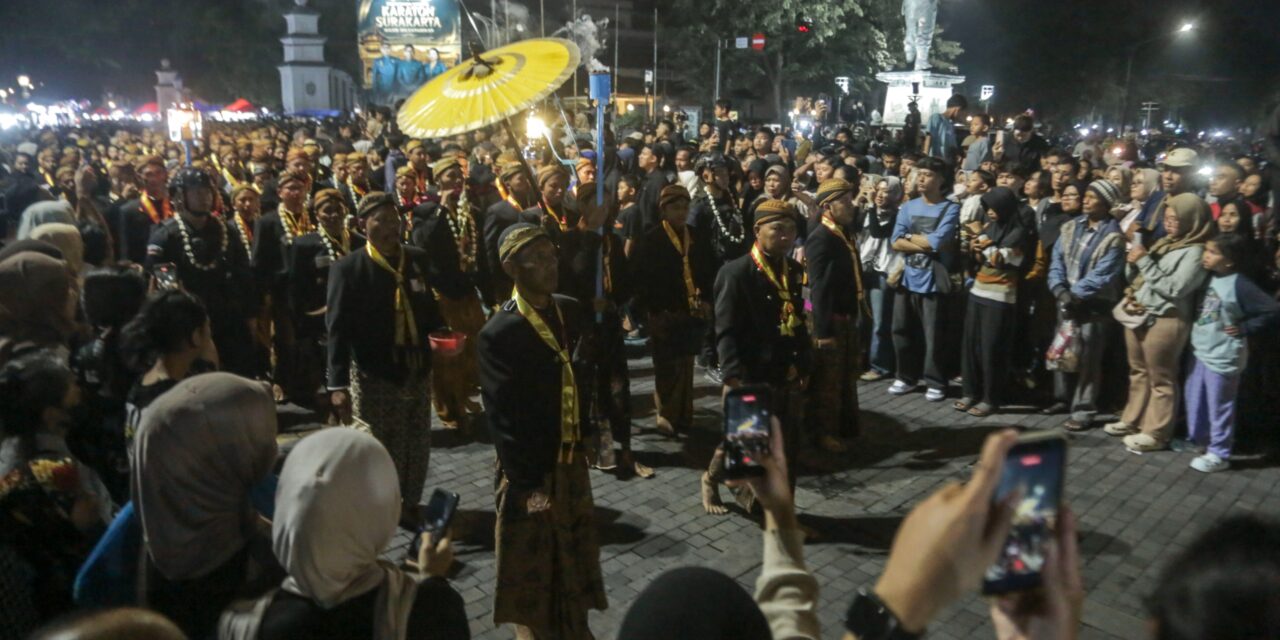
One of the most significant examples takes place during the Javanese New Year. Known as Malam 1 Suro (the First Night of Suro). The observance is considered one of the most important traditions in the Javanese calendar. While New Year celebrations in many parts of the world are marked by fireworks and festivities, Malam 1 Suro is centered on quiet reflection.
Surakarta, also known as Solo, is home to two historic royal institutions: the Keraton Kasunanan and Pura Mangkunegaran. Both continue to play active roles in preserving Javanese culture and traditions. Each year, thousands gather at these two sites to observe Malam 1 Suro.
In the days leading up to Malam 1 Suro, the royal courts host prayers, meditation sessions, cultural performances, and traditional ceremonies that bring communities together in preparation for the Javanese New Year.
On the night of Malam 1 Suro, participants join silent processions through the city streets, reflecting a unique quiet and contemplative character. Instead of loud celebrations and fireworks, the observance emphasizes prayer, and spiritual renewal.
These activities reflect the royal courts’ continuing role in safeguarding Javanese culture and passing it on to future generations.
Why Royal Courts Still Matter Today
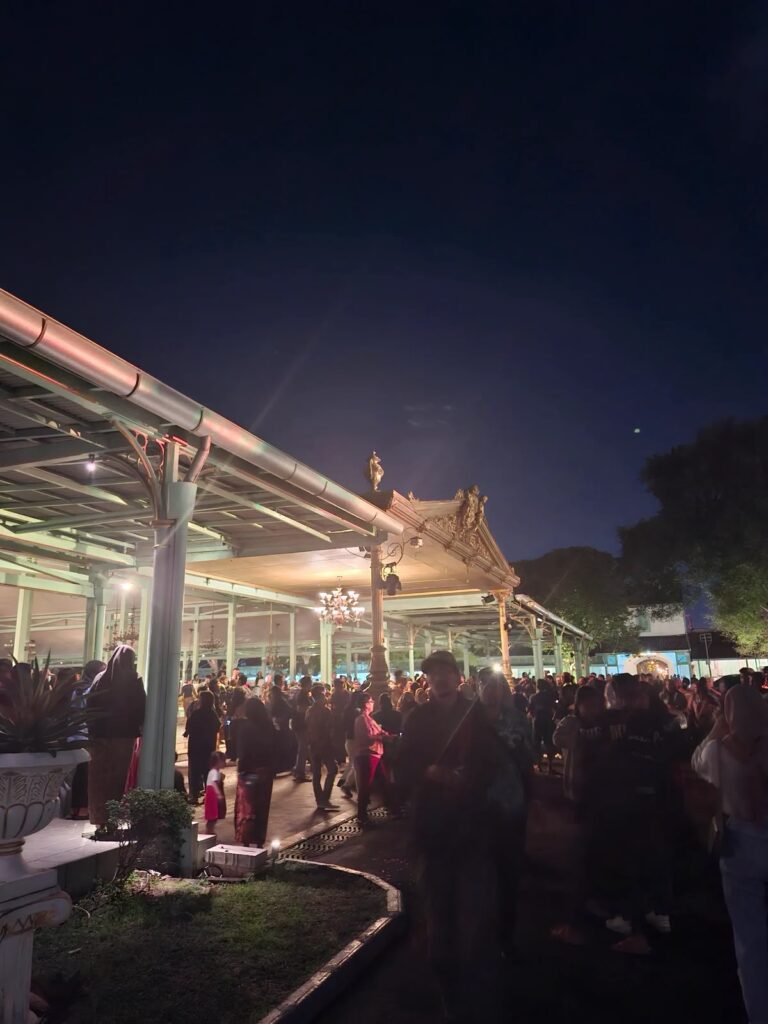
At a time of rapid social and cultural change, Java’s royal courts continue to preserve long-standing traditions while engaging new audiences. Beyond cultural festivals and public ceremonies, educational programs introduce visitors, especially younger generations to traditional court customs and conservation practices, as well as other aspects of Javanese heritage.
As the thousands who gather for Malam 1 Suro show, royal courts demonstrate that Java’s ancient traditions remain more than a trivial link to the past. These customs remain a visible and meaningful part of cultural life in Indonesia today.