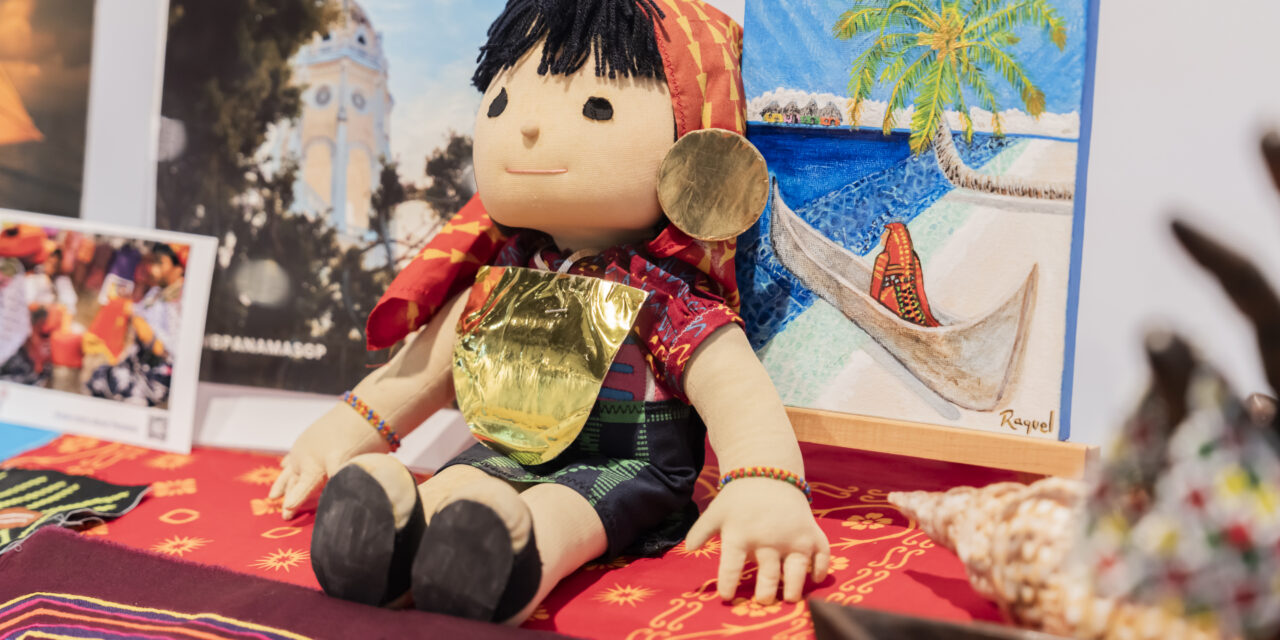
On the northern coast of Panama lies an archipelago of 365 tropical islands known as Guna Yala. Photos taken by tourists highlight crystal-clear waters, white sandy beaches lined with volleyball nets, and shimmering sunsets reflected across the sea.
For the approximately 30,000 indigenous Guna people who call these islands home, they remain the beating heart that connects modern Panama to its centuries-old cultural roots.
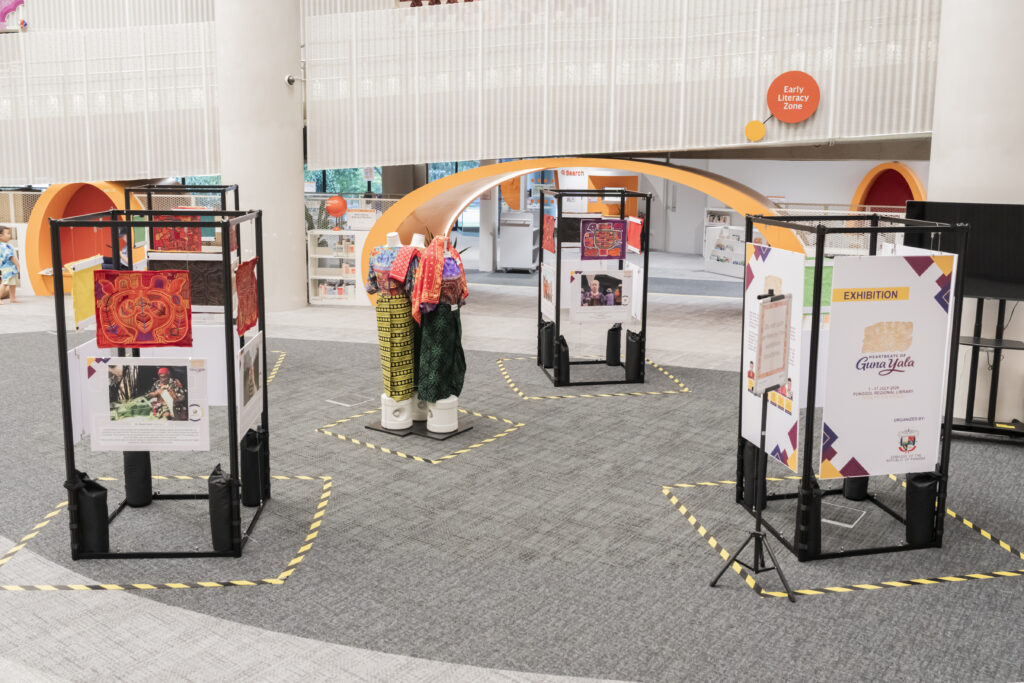
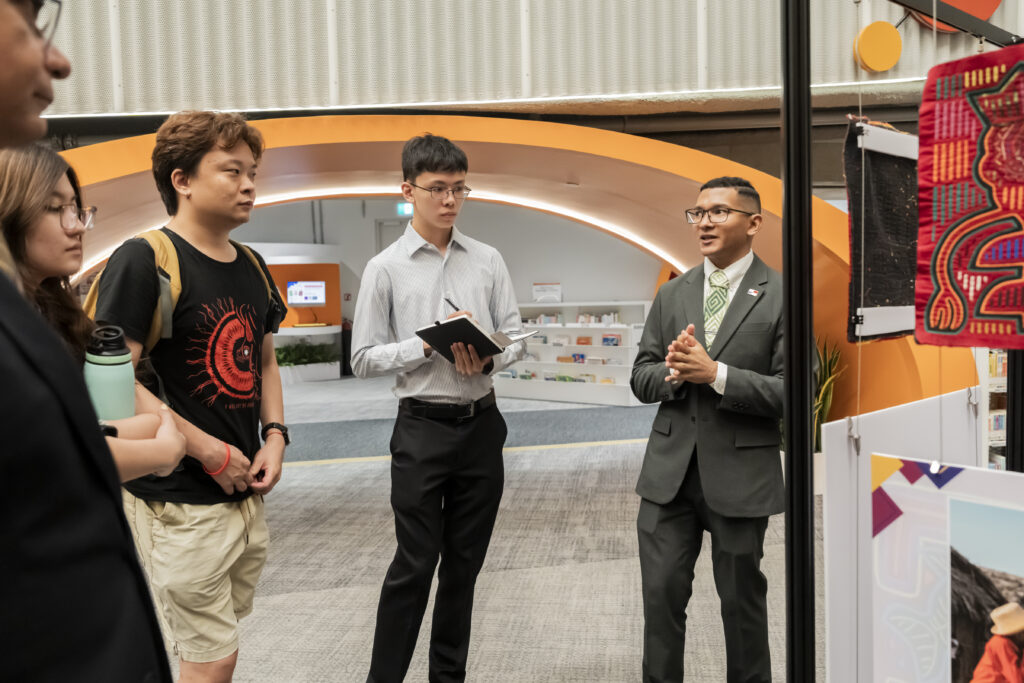
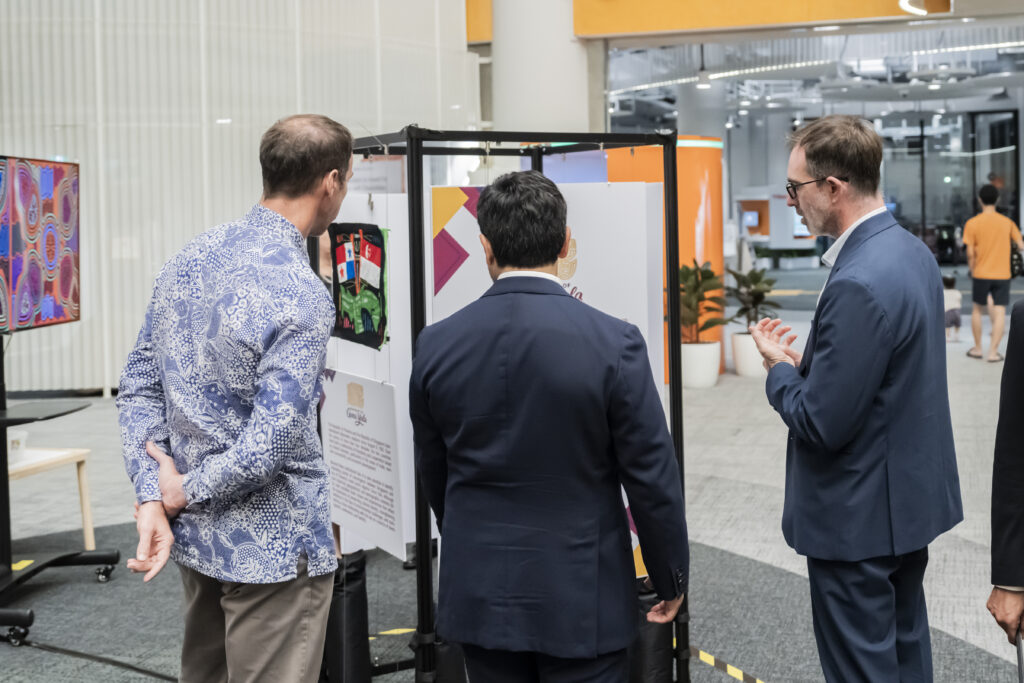
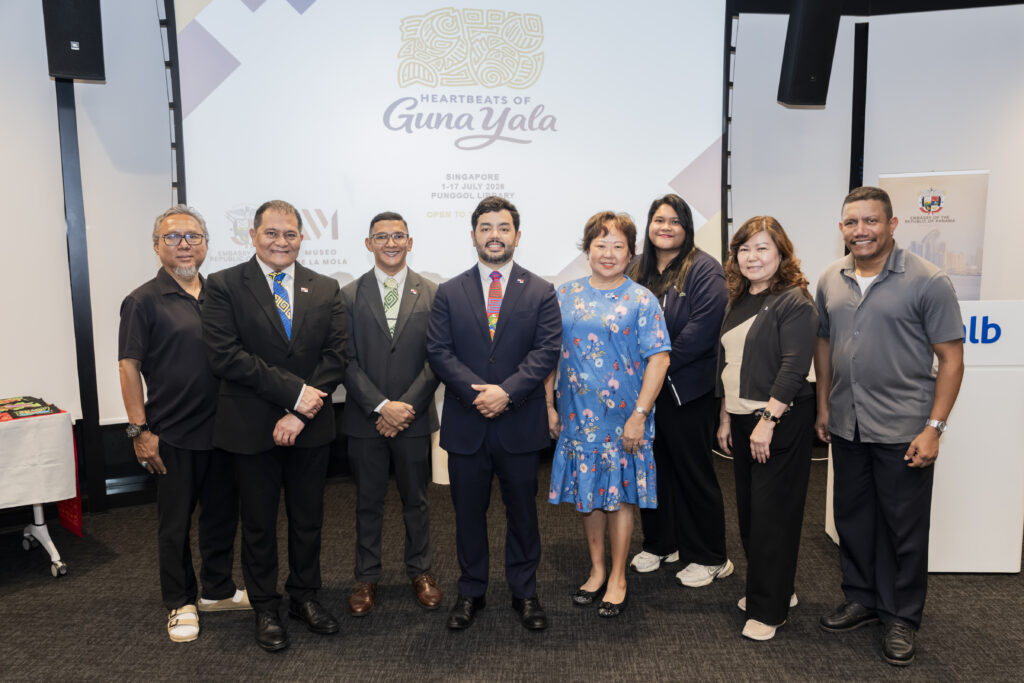
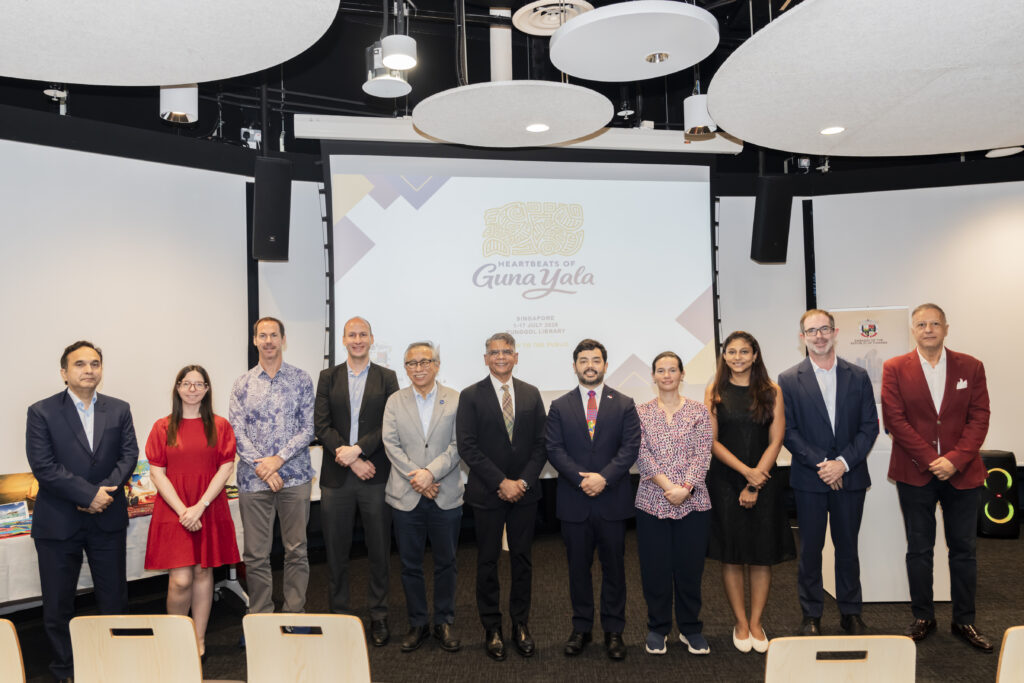
From 1-17 July, the Embassy of Panama presents “Heartbeats of Guna Yala”, a special exhibition showcasing the Guna people and their textile culture. The exhibition is being held at the Atrium of Punggol Library, One Punggol.
Diplomatic Network (Asia)’s Euan Toh Yu-Yuan was kindly invited by the Embassy of Panama to attend the opening ceremony inaugurating the exhibition.
Opening Addresses: The Heart of the Sea
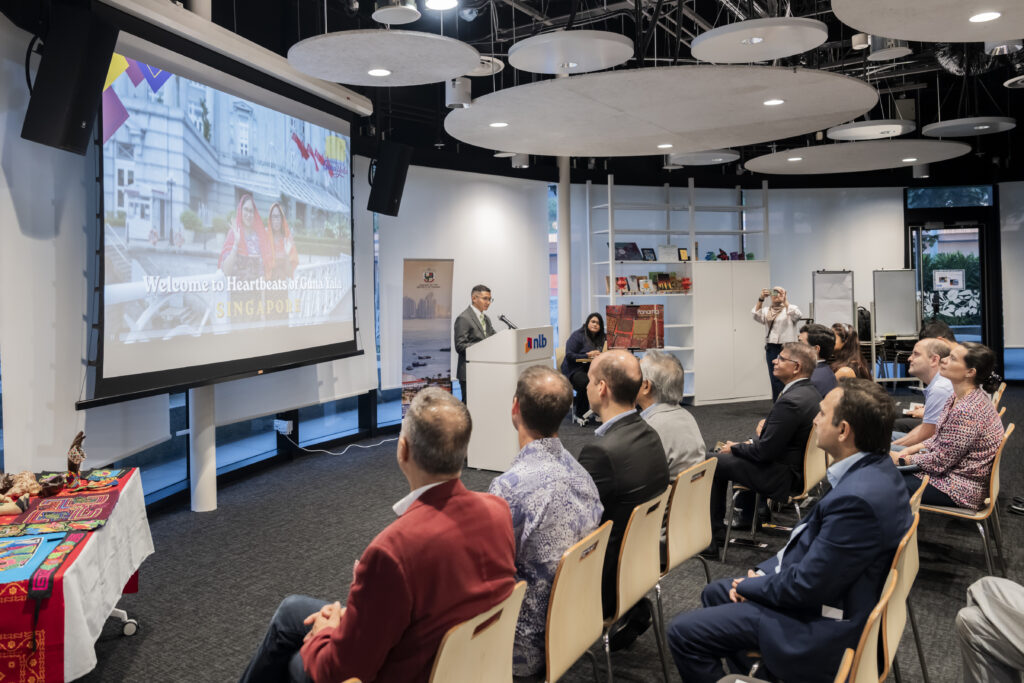
How do traditional cultures preserve their identity in the face of modernity? This question framed the opening addresses delivered by the Guests of Honour on 1 July 2026.
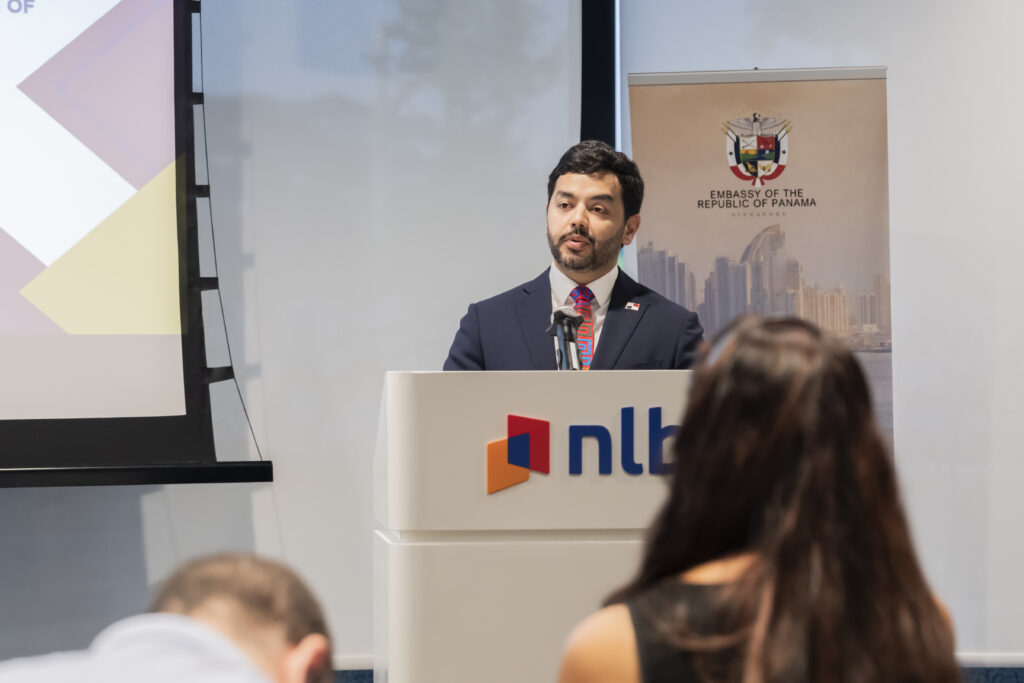
His Excellency Sebastian Breton, Ambassador of Panama to Singapore, began his address by inviting audiences to embrace one of the “oldest and most vibrant cultures” in the Americas.
Guests unfamiliar with the Guna people were given a thoughtful introduction to their significance in Panamanian history.
Following an uprising in 1925, the Guna people were granted autonomy by the Panamanian government. With their traditional way of life protected, Guna culture flourished and has been preserved to the present day.
The most recognizable symbol of Guna culture is the mola. This handcrafted textile features colorful patterns that identify its wearers as members of the Guna community.
Today, Guna cultural heritage has been successfully integrated with the sustainable tourism of Guna Yala.
“Progress and cultural preservation can go hand in hand,” said HE Breton, who encouraged attendees to view cultural preservation as a “shared responsibility” in an increasingly modern world.
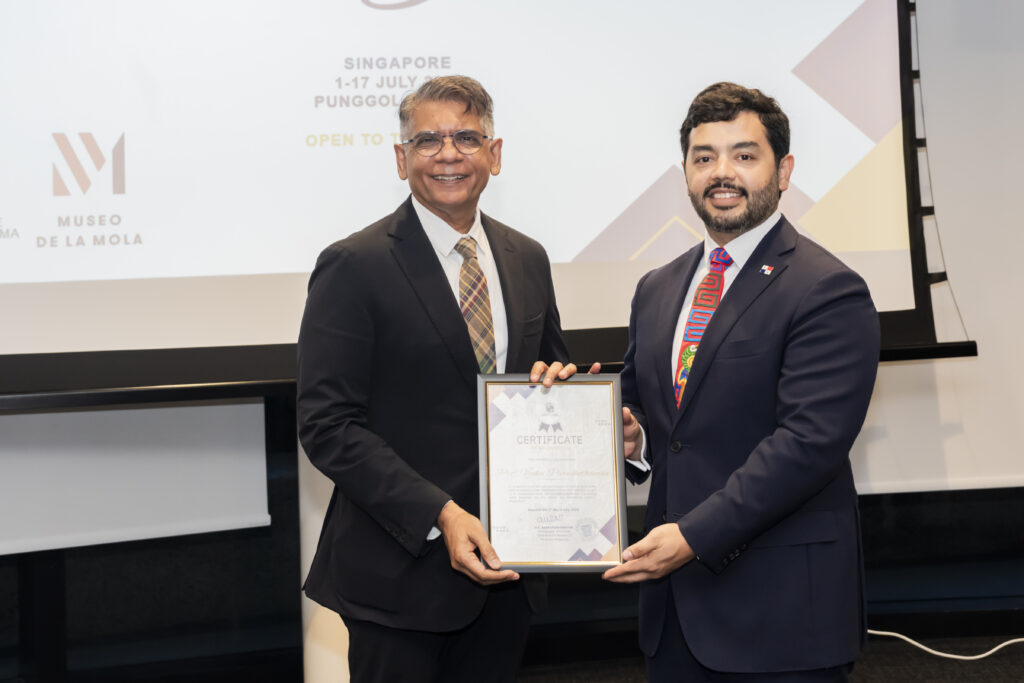
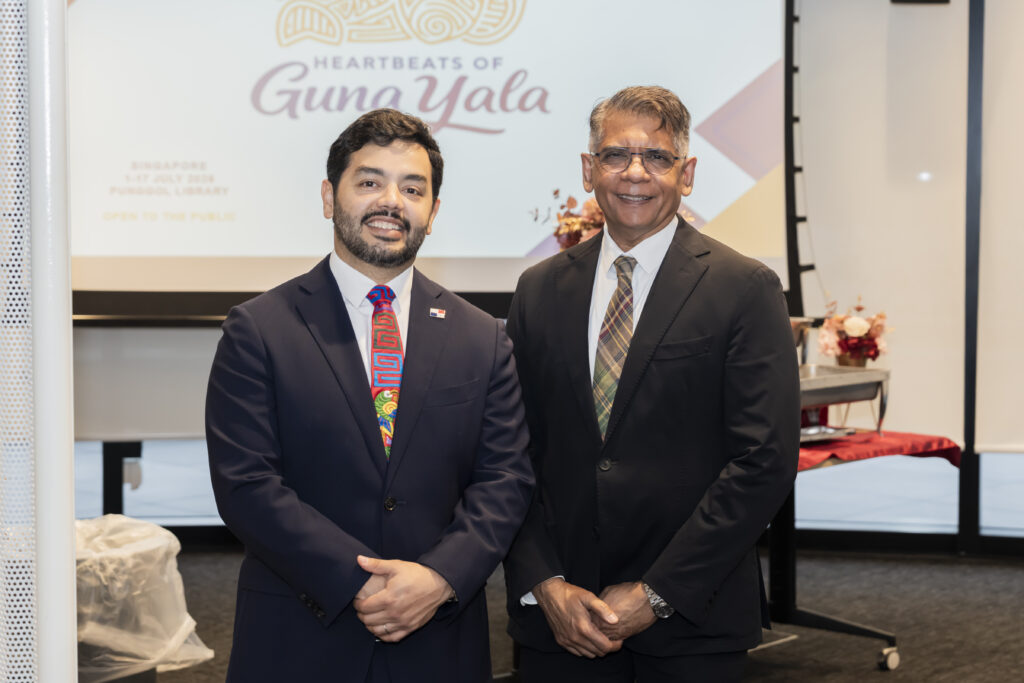
HE Breton was followed by Mr Venka Purushothaman, President of LASALLE College of the Arts, who echoed the Ambassador’s call to preserve cultural knowledge.
Mr Purushothaman observed that people from different cultures can be connected by far more than their shared interest in, or aversion to, bad news and geopolitical conflicts. For globally connected nations such as Singapore and Panama, it is important to celebrate the living cultural traditions that continue to thrive within society and serve as bridges between people.
Guna Yala “expands how we see the world,” said Mr Purushothaman, who reminded attendees that Singaporeans “were seafarers in many ways” and therefore share a similar affinity with the sea as the Guna people.
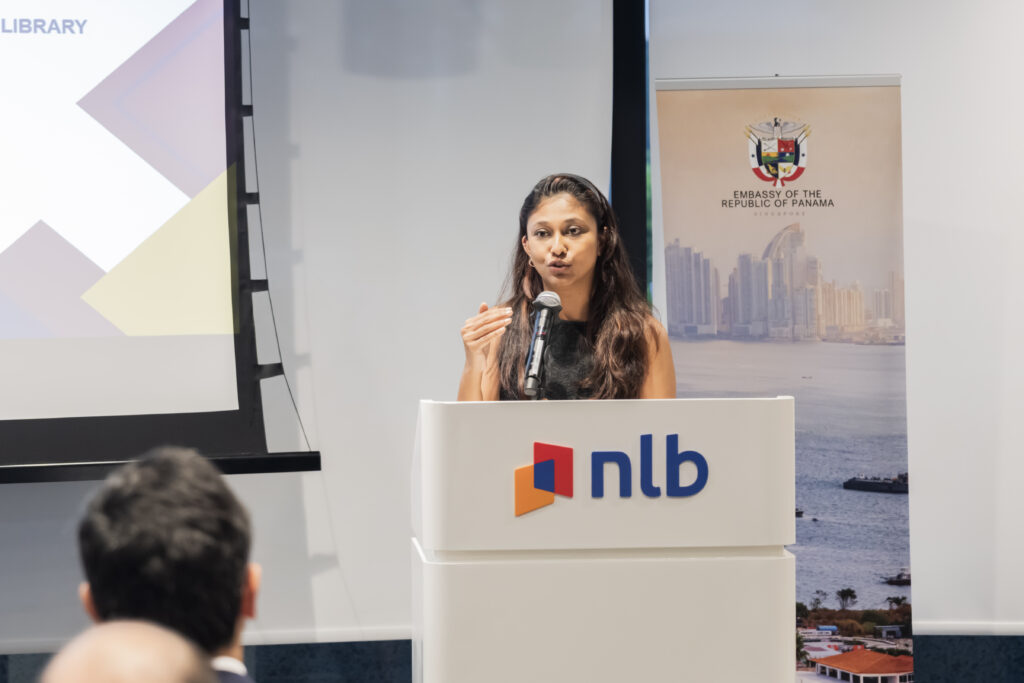
Ms Kavita Ilangovan, Senior Manager at Punggol Regional Library, also delivered a short address, saying she was “very impressed” by the exhibition and hoped it would “trigger interest” among both attendees and library patrons.
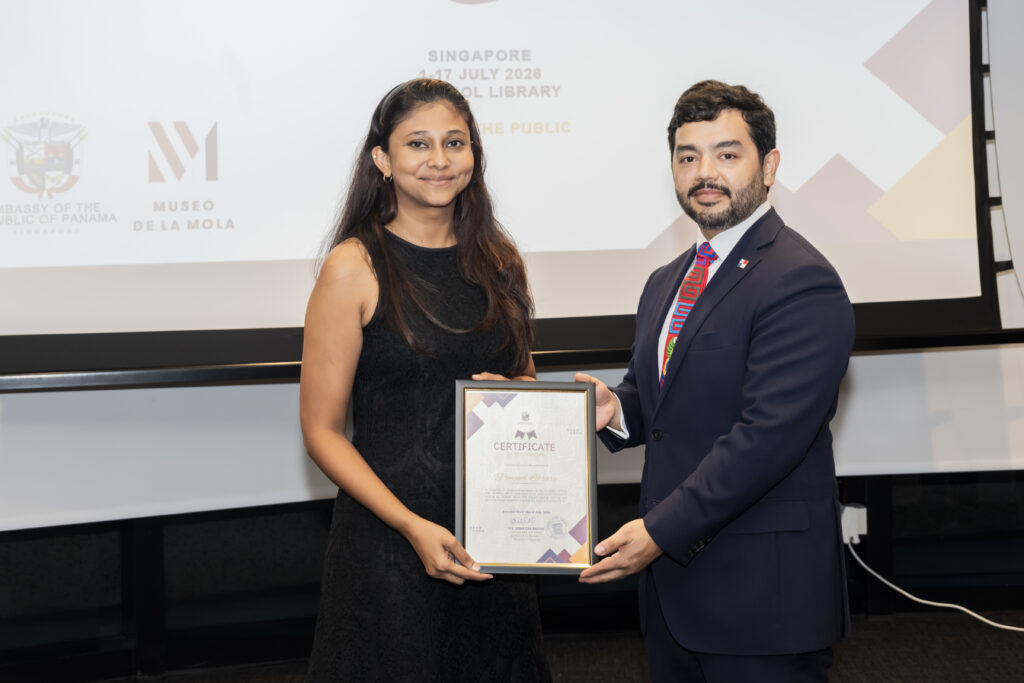
Following the speeches, HE Breton presented certificates of appreciation to Mr Purushothaman and Ms Ilangovan before guests enjoyed a catered reception.
Mola: The Art of Guna Yala
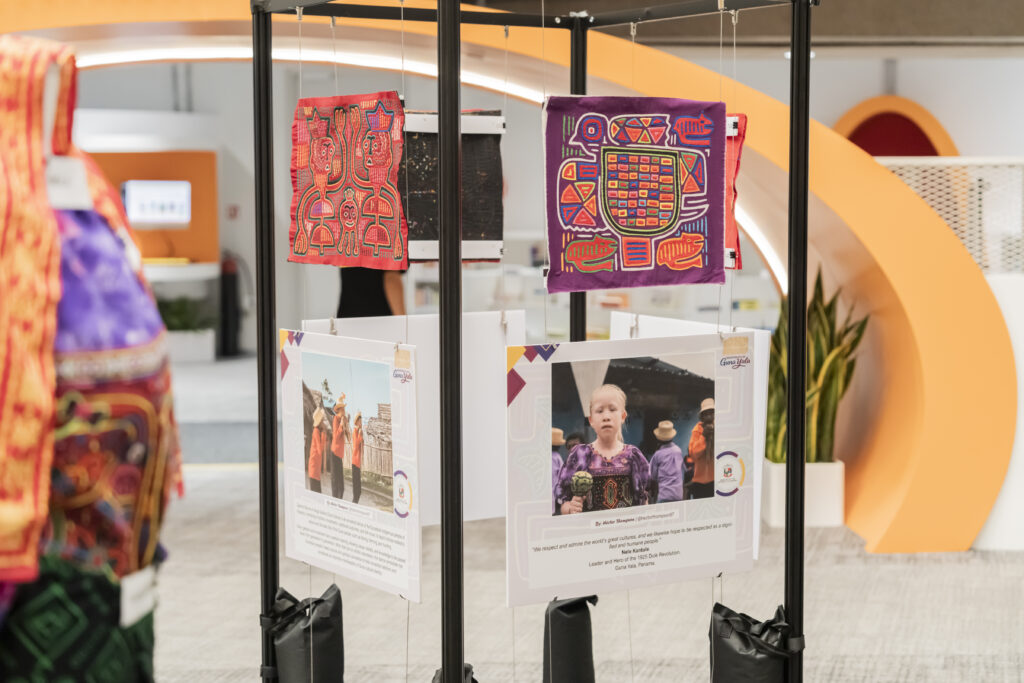
As described in the exhibition, the mola “is a traditional textile art form of the Guna people of Panama, created by cutting and sewing layers of fabric to form colourful and intricate designs that express their cultural identity.”
While some designs feature abstract geometric patterns, many also depict people, plants, or animals, reflecting everyday life within Guna society.
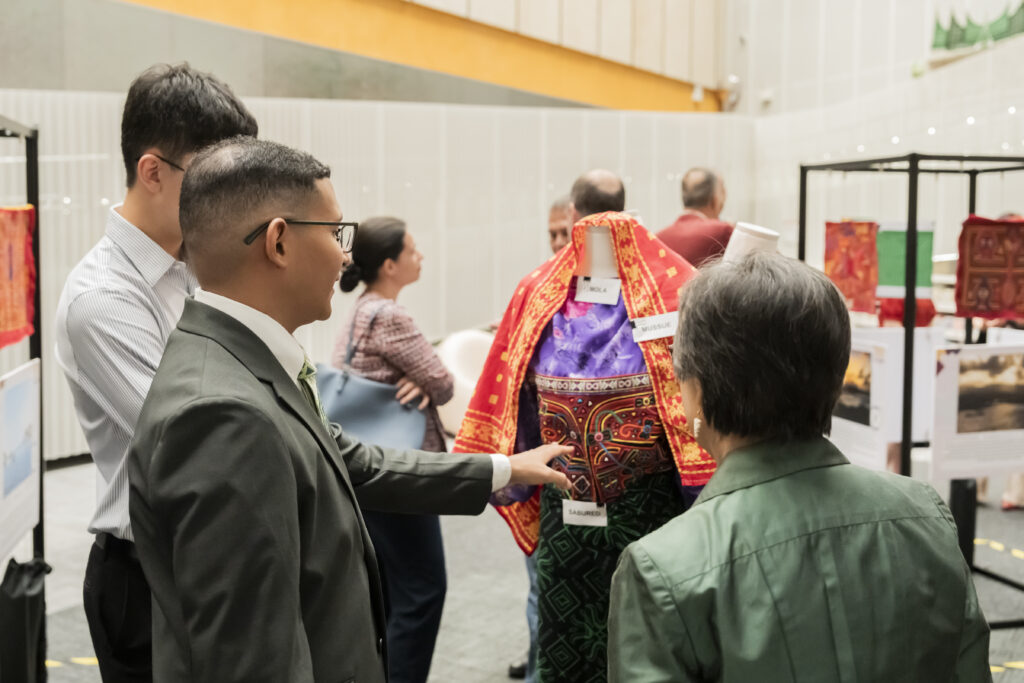
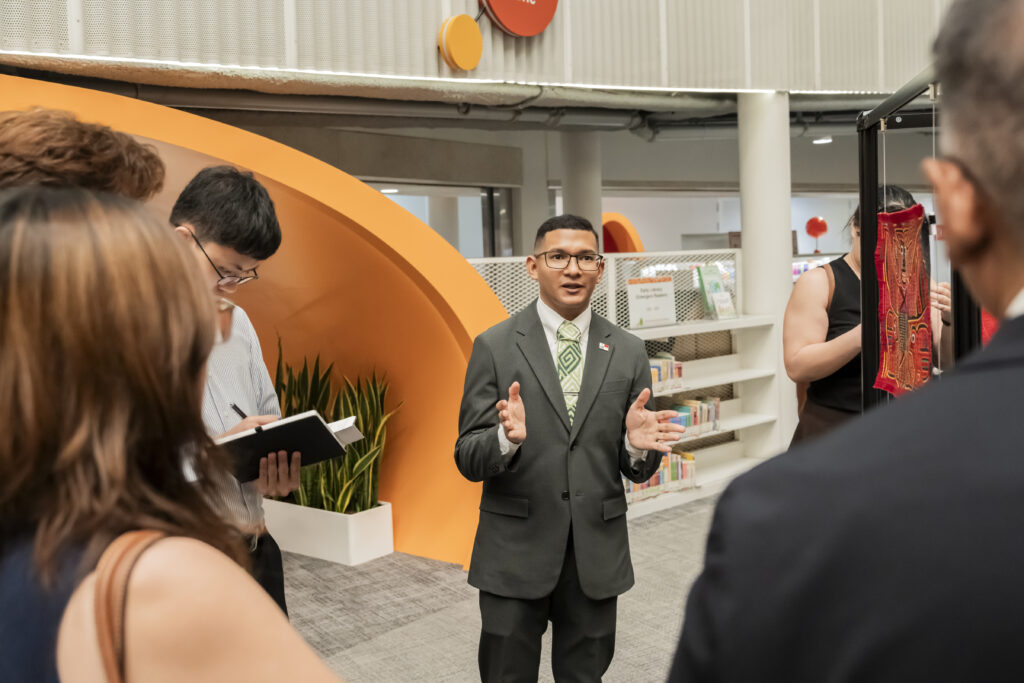
Third Secretary of the Embassy of Panama, Mr Aurelio Ortega, explained to interested attendees that according to historians, the mola evolved from traditional body painting. Once Spanish settlers introduced woven cloth, the Guna people transferred these body-painted designs onto fabric.
The mola also holds special significance as a handcrafted art form created by Guna women for women. In partnership with the Museo de la Mola (Mola Museum) in Panama City, Guna women acting as cultural ambassadors have produced educational videos explaining the craft. The transmission of mola-making knowledge remains a central pillar of Guna women’s cultural life today.
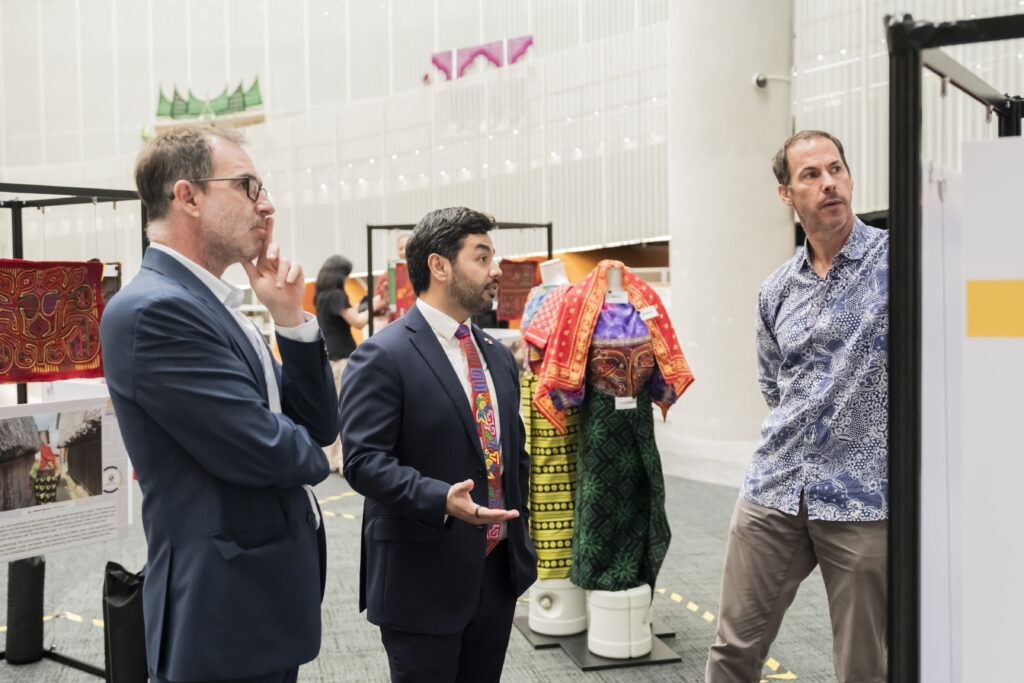
The “Heartbeats of Guna Yala” exhibition displays three complete mola outfits, each featuring its own vibrant colour palette and distinctive designs. The sabured is the skirt, while the mussue is an embroidered scarf that may be worn over the shoulders or wrapped around the head.
Guna Culture: Past and Present
Despite the many fascinating aspects of Guna culture, its history and traditions remain relatively unknown outside Panama.
Mr Ortega explained to DNA that one of the motivations behind curating “Heartbeats of Guna Yala” was to highlight the diversity of Panamanian culture and identity complementing the country’s most internationally recognised symbol, the Panama Canal.
The exhibition deserves particular praise for pairing the mola textiles with informative displays about the Guna people. Reading these exhibits reveals surprising similarities between Singapore and Guna Yala.
As HE Breton noted, much like Singapore, “the sea lies at the heart of Guna life.” Fishing remains central to Guna society, providing both sustenance and economic livelihood for coastal communities.
The sea also holds profound spiritual significance. According to Guna oral tradition, the mythical Ibeorgun spirits descended from the mountains to teach the first coastal settlers how to live sustainably alongside the sea. As a result, Grandmother Sea (Muu Billi) is revered as the guardian of the Guna people.
For these reasons, the Guna people take the threat of climate change especially seriously. Changes in marine biodiversity and weather patterns threaten not only their livelihoods but also the spiritual centre of their community.
Mr Ortega explained that rising sea levels have already forced the relocation of one Guna community of approximately 1,000 people.
He believes that sharing the story of the Guna people with the world is essential to raising awareness of the existential challenges they face because of climate change.
Both Singapore and the Guna Yala indigenous territory face environmental challenges closely tied to their coastal identities. Singaporeans would do well to learn about the similarities they share with the Guna people, and perhaps, in time, new partnerships addressing climate change may emerge.
In the words of the renowned Guna revolutionary Nele Kantule,
“We respect and admire the world’s great cultures, and we likewise hope to be respected as dignified and humane people.”
Gallery