On paper, 2026 marks 45 years of formal diplomatic relations between Portugal and Singapore. Diplomats familiar with both countries will gently point out that the key word, “formal”, does not fully capture the centuries of exchange between the two nations.
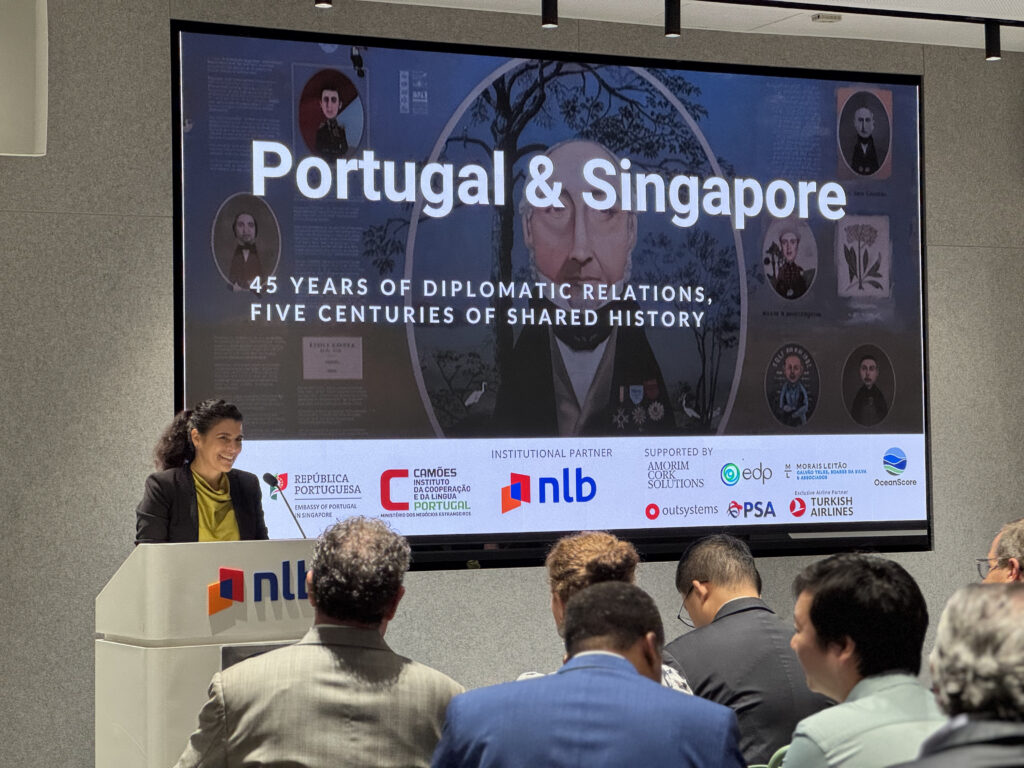
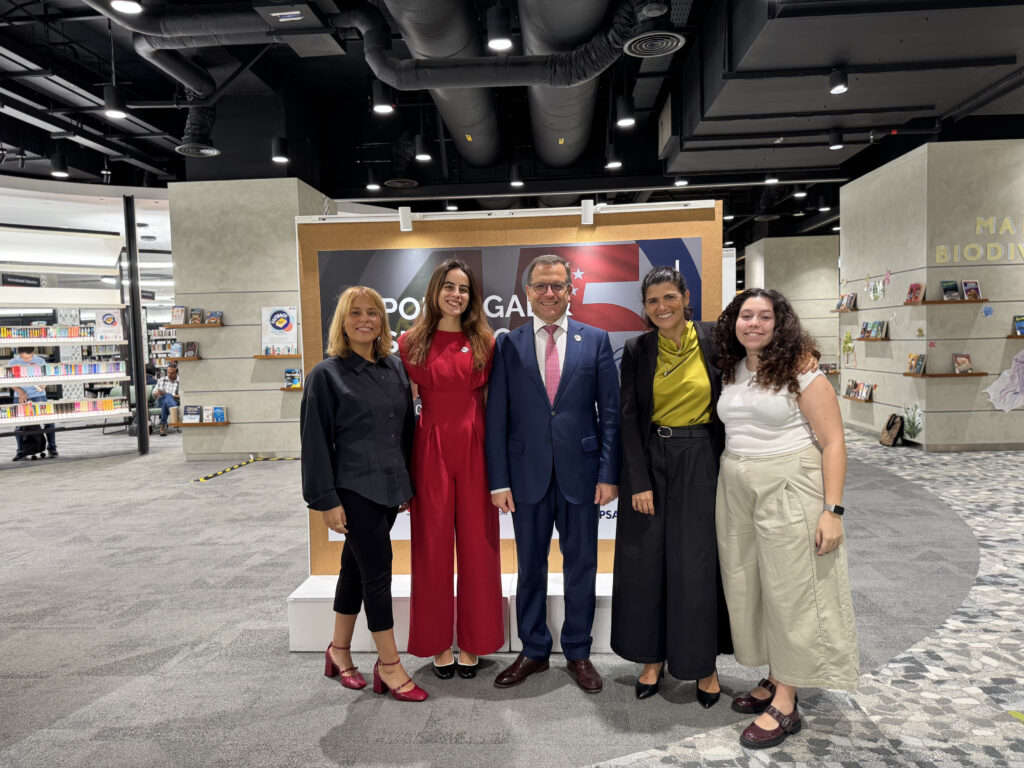
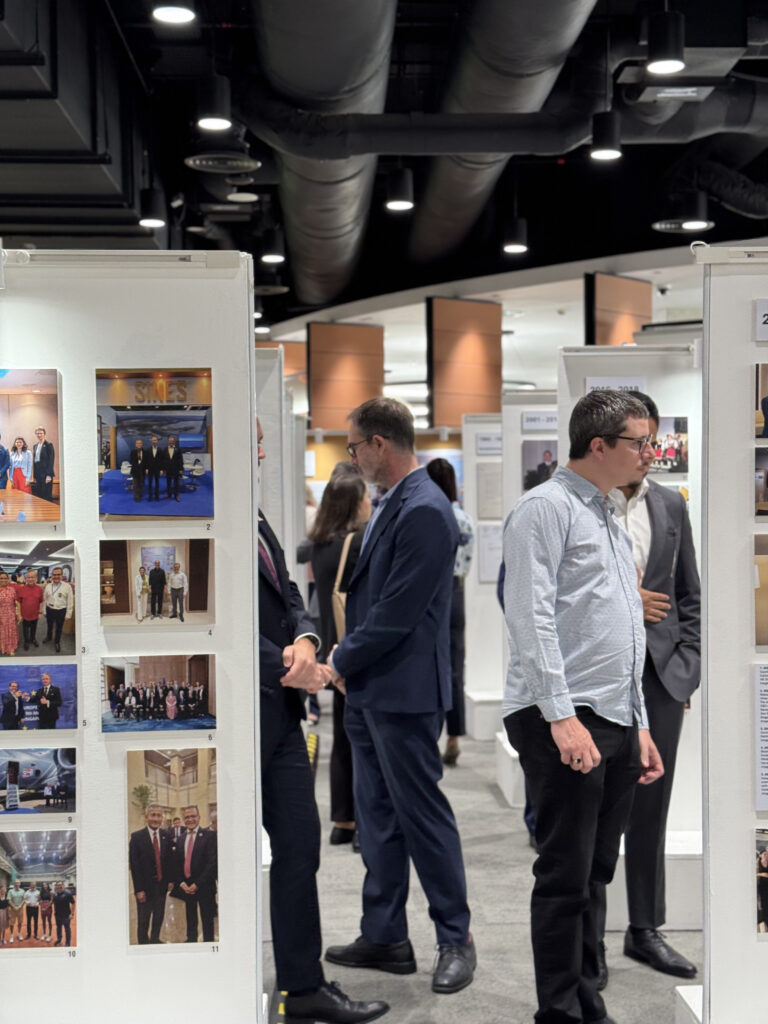
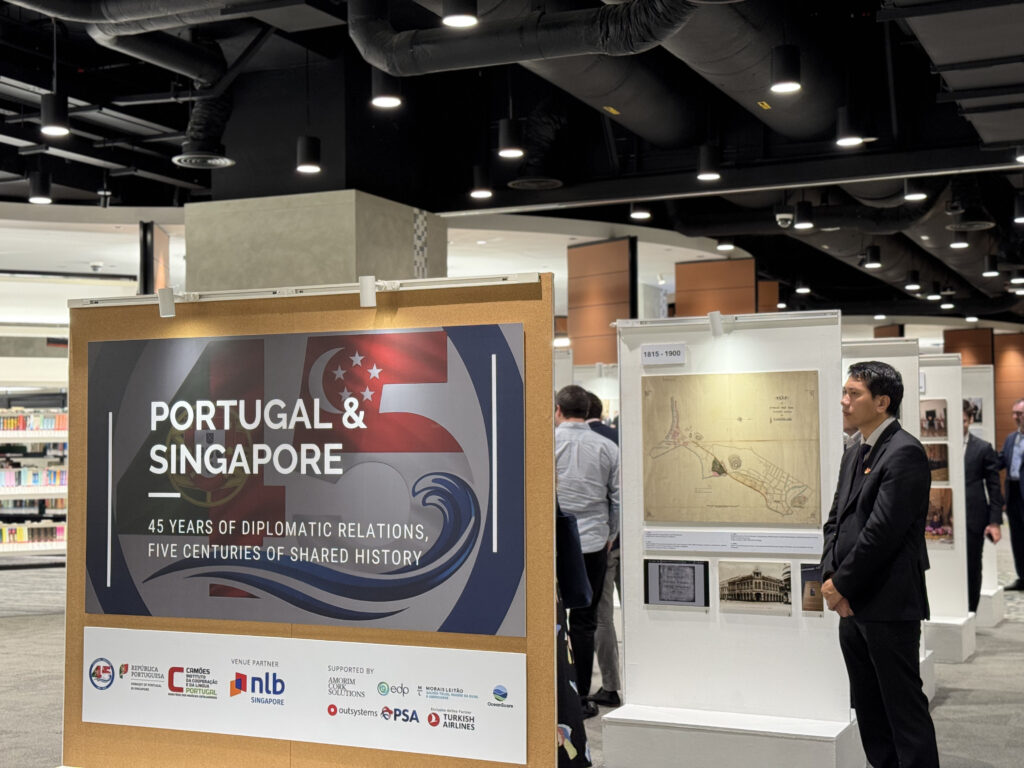
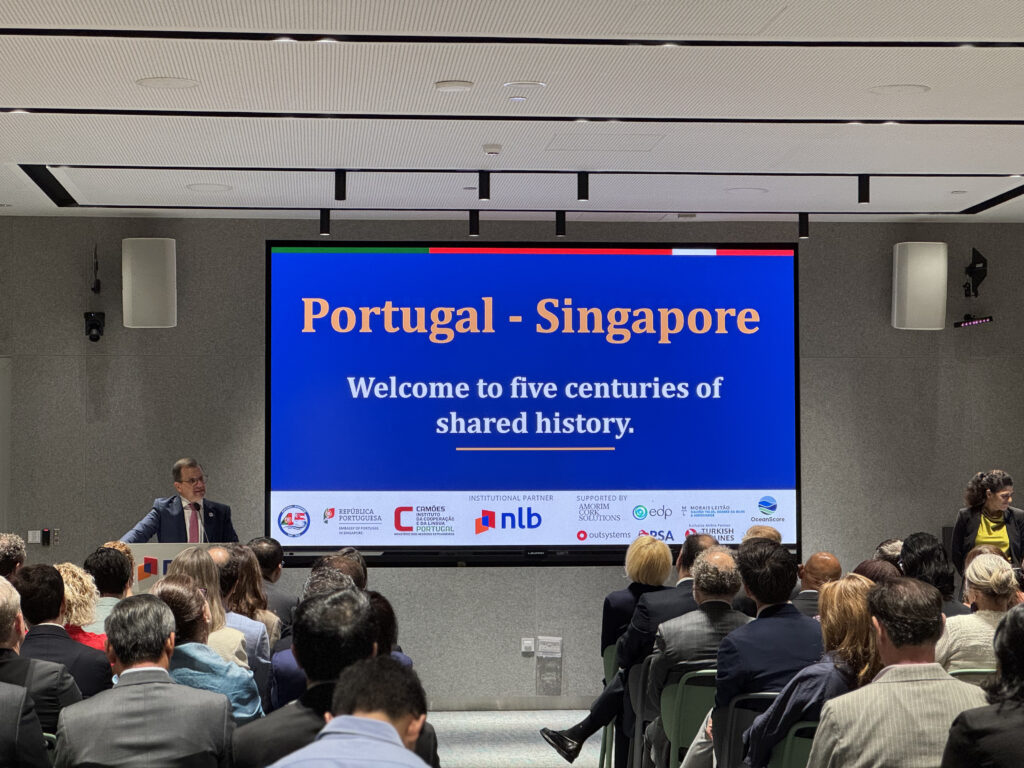
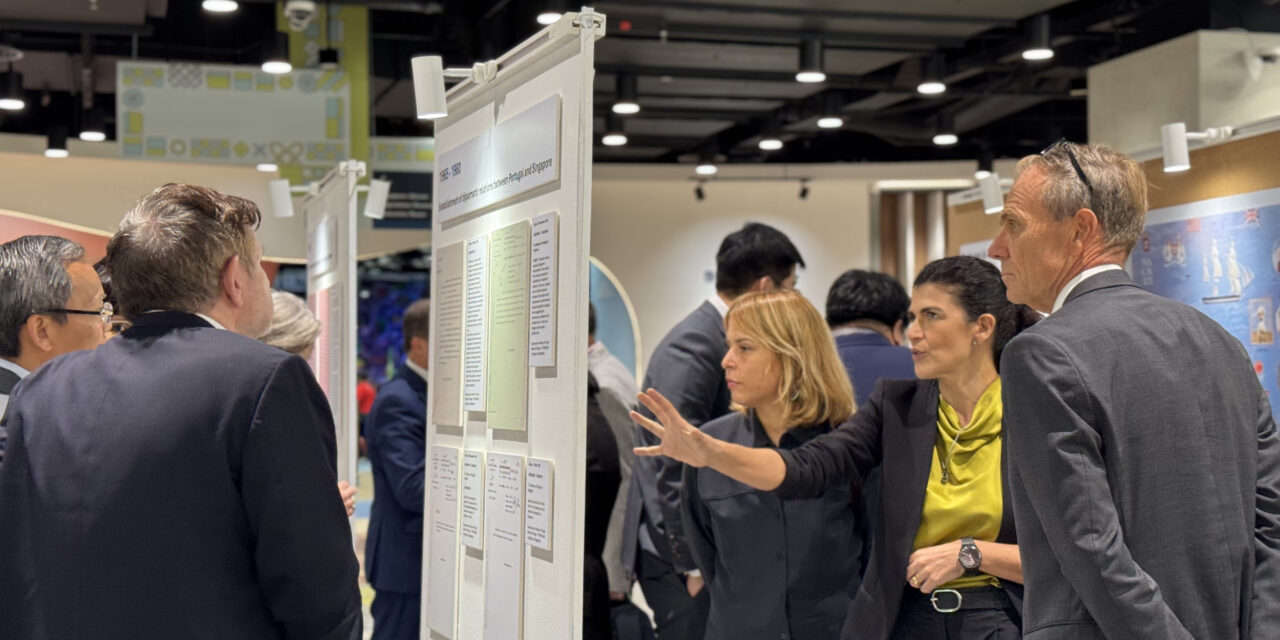
On 2 July, the Embassy of Portugal formally opened a new photo exhibition, “Portugal–Singapore: 45 Years of Diplomatic Relations, Five Centuries of Shared History”, at the National Library, 100 Victoria Street.
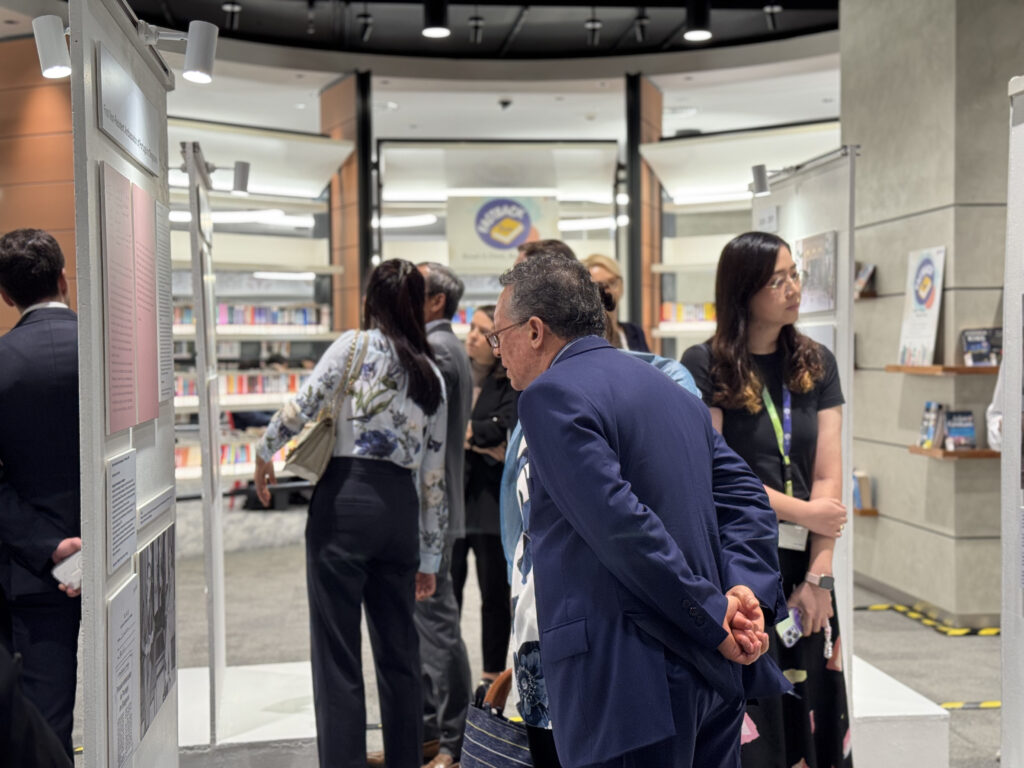
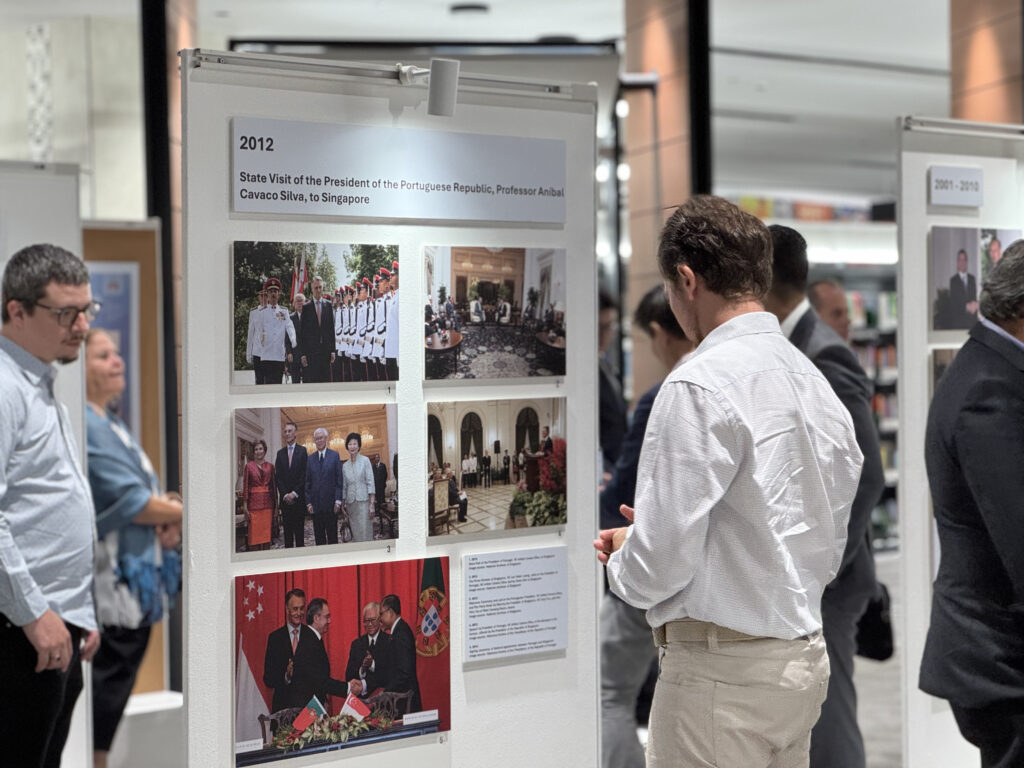
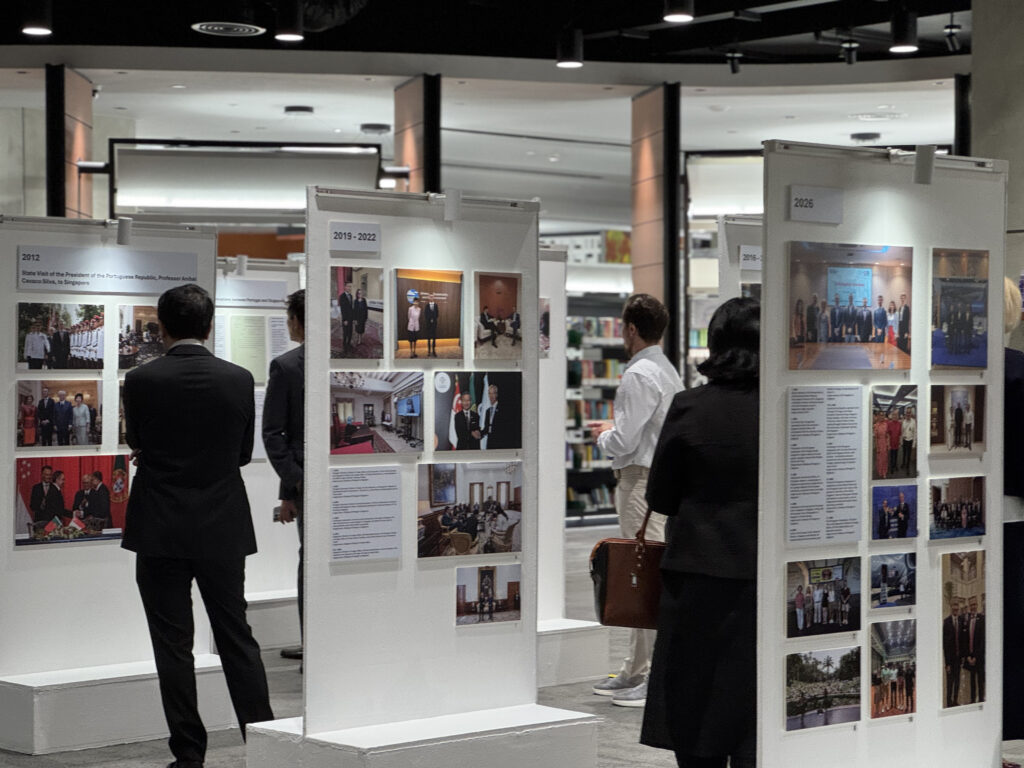
Structured as a timeline, the exhibition traces interactions between Portugal and Singapore across the centuries. It is currently open to the general public.
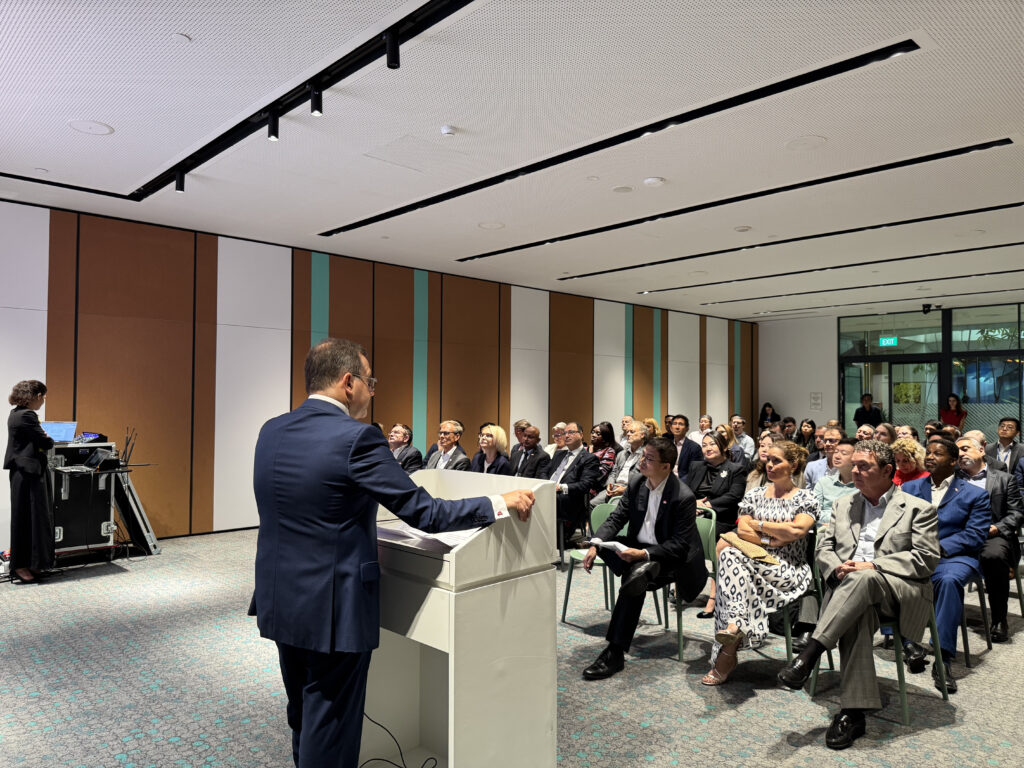
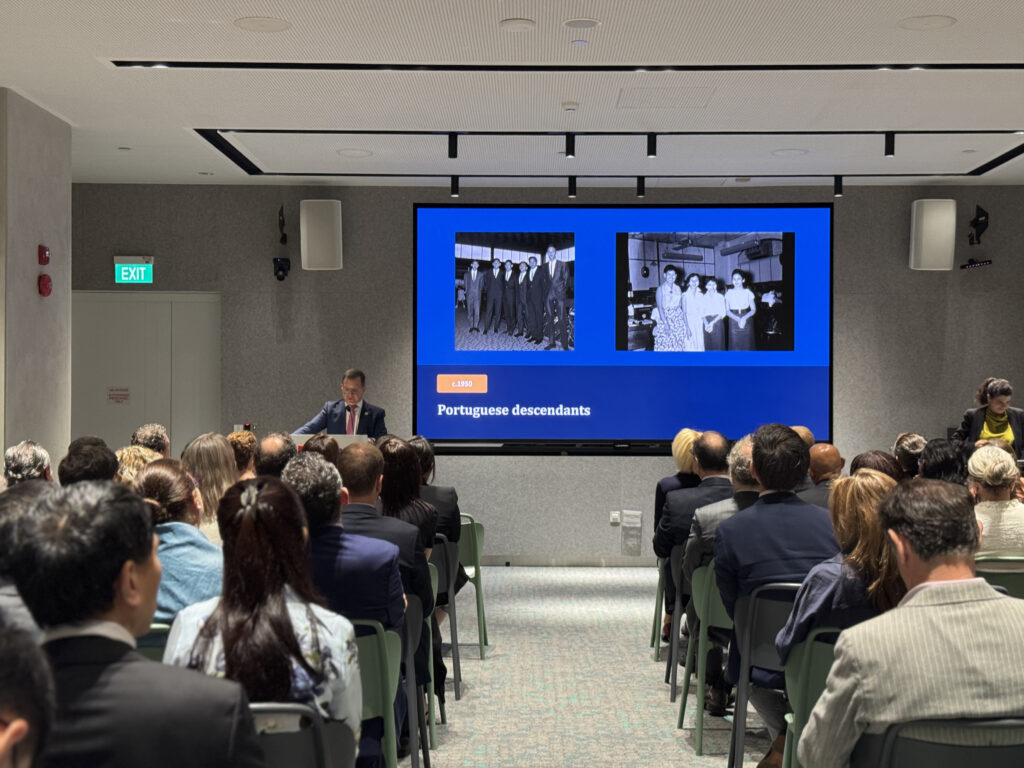
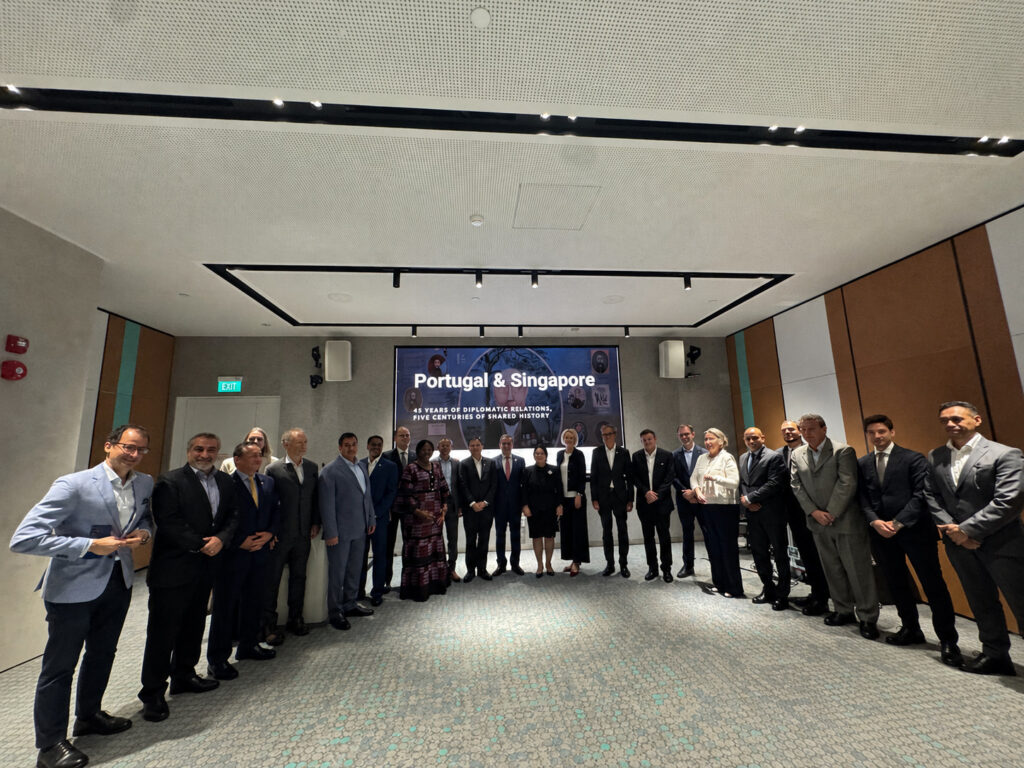
To mark the inauguration of the exhibition, Diplomatic Network (Asia)’s Euan Toh Yu-Yuan attended the opening ceremony, graciously hosted by the Embassy of Portugal. Senior diplomats and friends of the Portuguese community gathered to learn more about the history presented through the exhibition.
Five Centuries: Historical Encounters
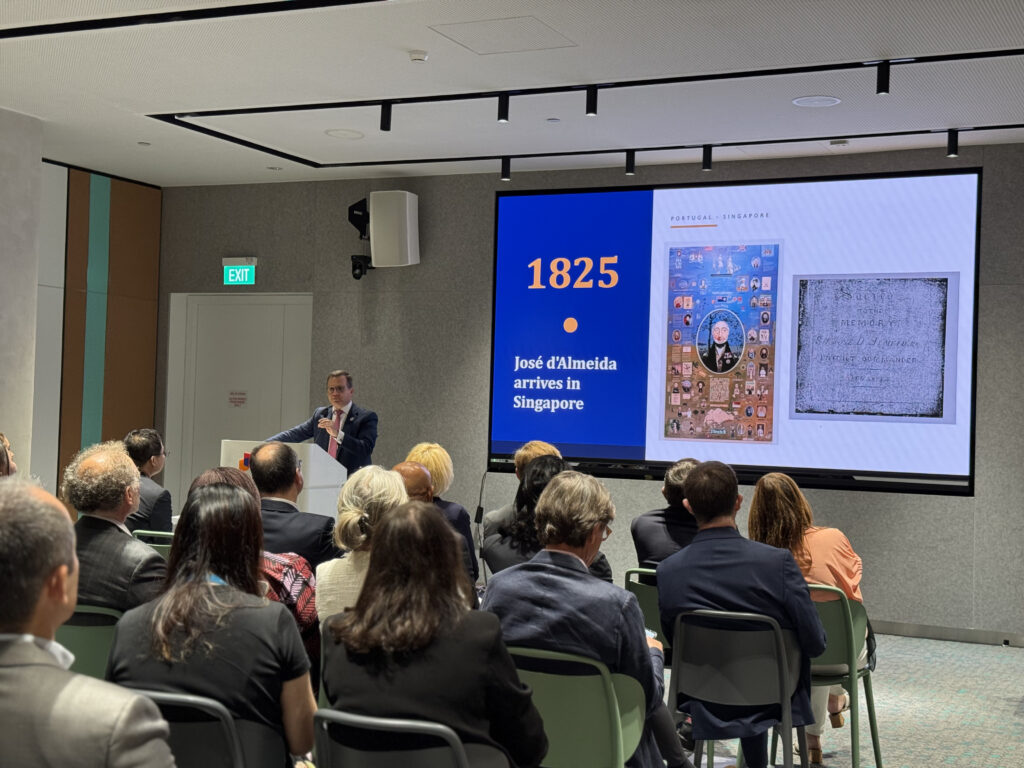
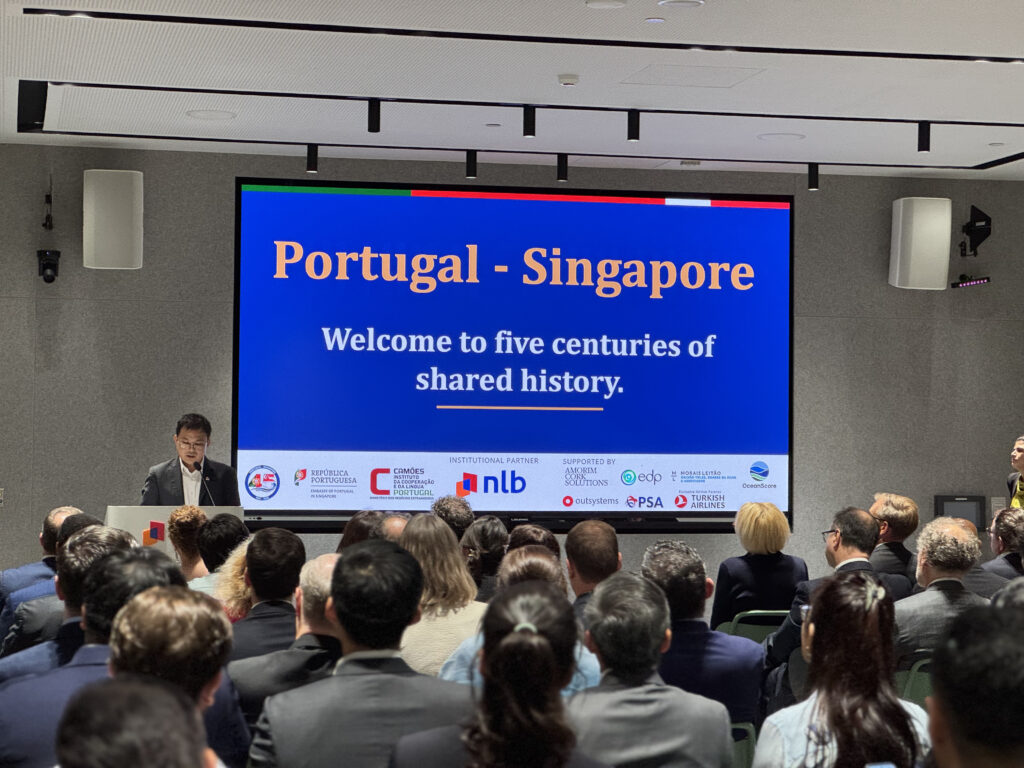
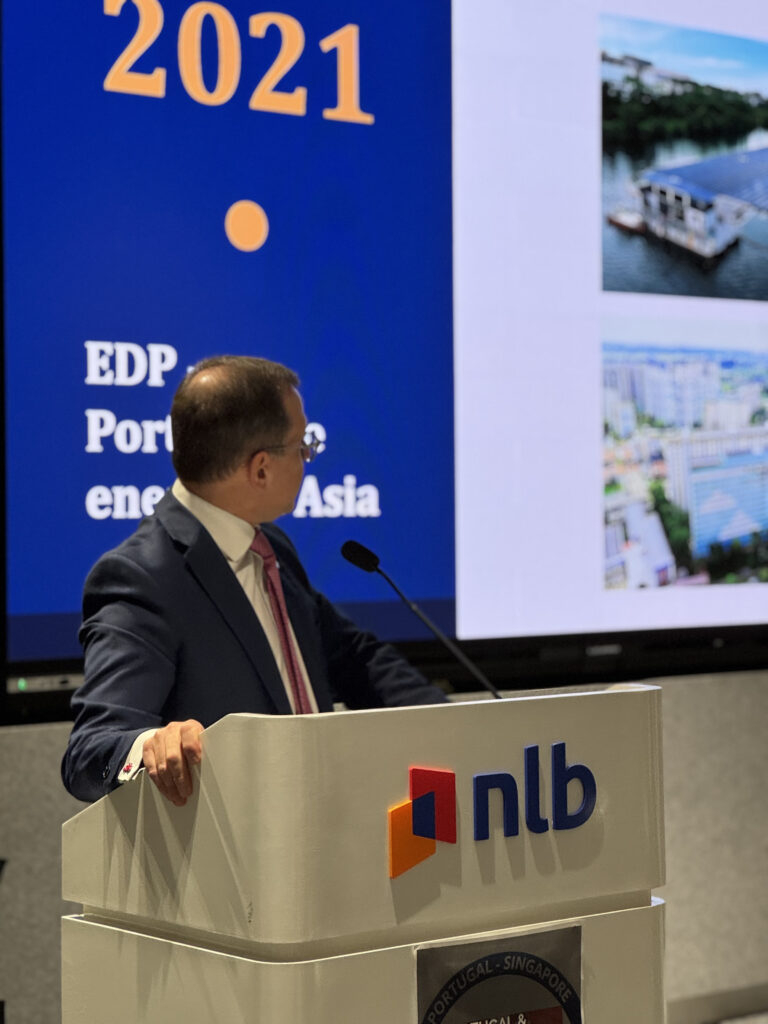
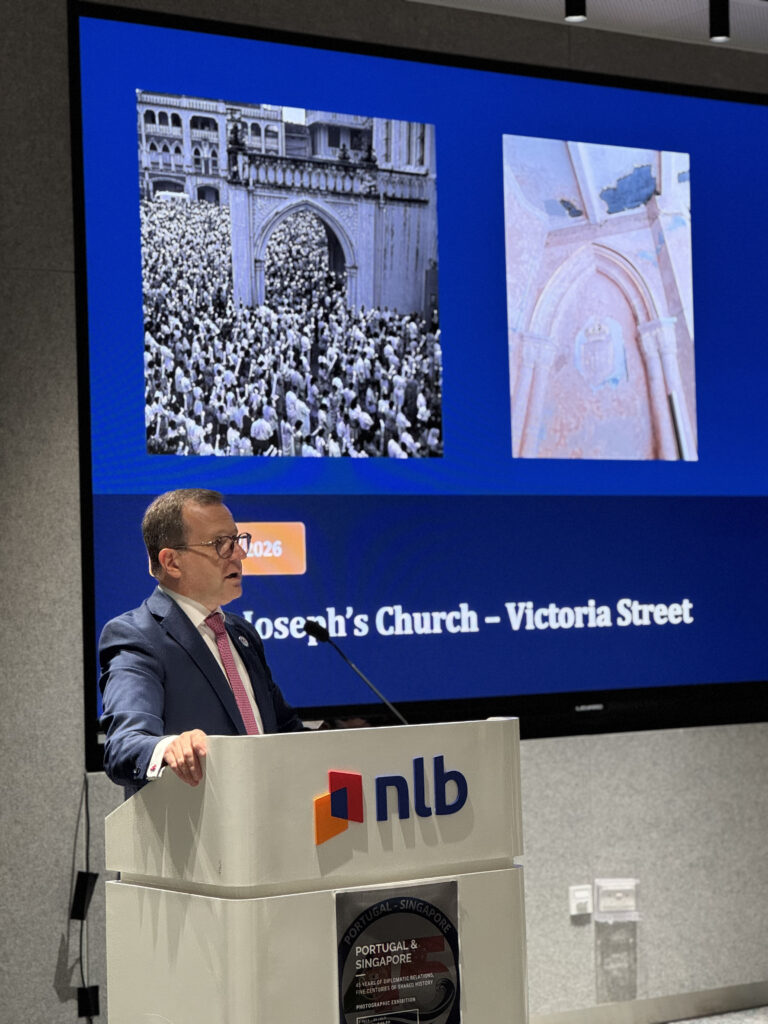
In his opening address, His Excellency Carlos Pires, Ambassador of Portugal to Singapore, thanked the National Library Board, the exhibition’s sponsors and his colleagues at the Portuguese Embassy for organising the event. He offered special thanks to the Embassy’s Deputy Head of Mission, Ms Rita Nogueira.
HE Pires used his address to clarify the breadth of Portuguese-Singaporean relations, describing the relationship as “not only about diplomacy; it is also about encounters”. Moving beyond a purely formal friendship, the two nations shared an “instinct to look beyond their immediate horizons” and embrace opportunities for cultural exchange.
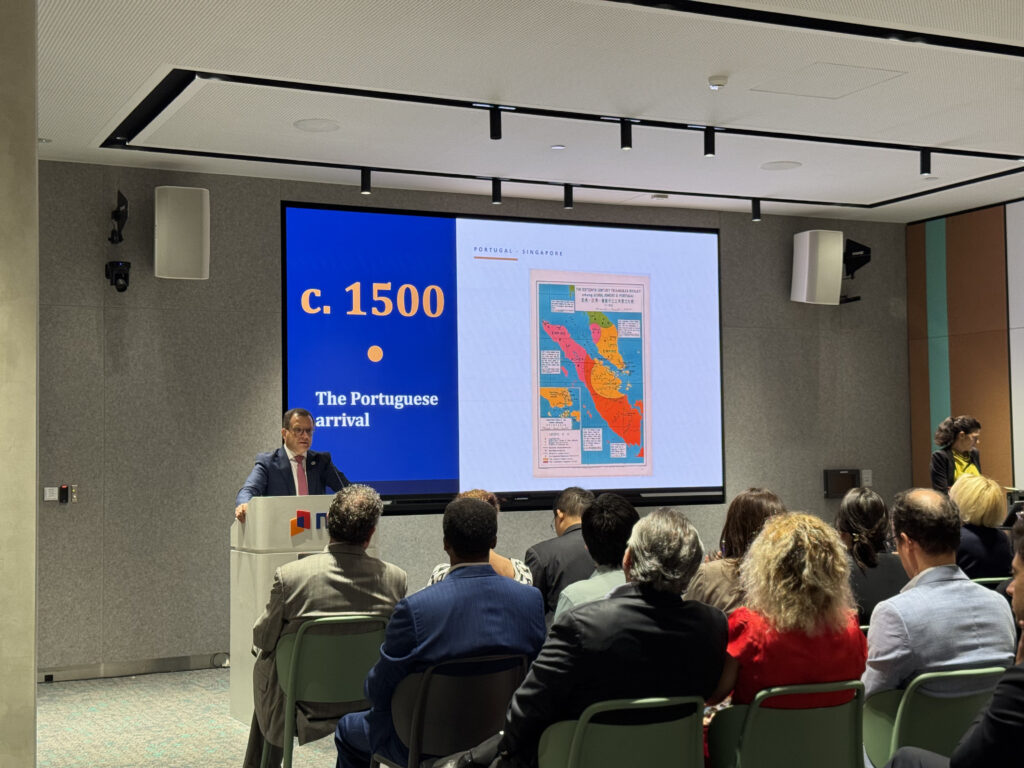
Since the Portuguese first arrived on the Malay Peninsula in 1511, Portuguese immigrants and their descendants have left their mark on Singapore.
These individuals include José d’Almeida, who arrived in Singapore as Portugal’s Consul-General in 1825 and helped establish the first horticultural society in Singapore, which would later evolve into the Singapore Botanic Gardens. Olympians Joseph Schooling and Shanti Pereira, two of Singapore’s most prominent athletes, are also of Portuguese descent.
Familiar Singapore landmarks also share Portuguese origins. For example, St Joseph’s Church, located opposite the National Library, was initially financed by the Portuguese community.
45 Years: New and Exciting Horizons
HE Pires noted that, despite the centuries of exchange, Singapore’s friendship with Portugal took on particular significance during a complex period in the late twentieth century.
Portugal underwent a transition towards democracy and European integration in the mid-1970s, while 2026 also marks the 40th anniversary of its accession to the European Union. This period encouraged Portugal to reorient its focus towards new international partnerships, with Singapore becoming one of the country’s closest partners in Asia.
Today, trade between Singapore and Portugal is increasingly active, supported by agreements such as a 2014 memorandum of understanding involving Singapore and the Port of Sines in Portugal.
Singaporeans have also established businesses in Portugal. HE Pires noted that there is even a Singaporean restaurant on the Atlantic island of Madeira, appropriately named Makan Madeira.
Most recently, in late June, Portuguese academics partnered with Singapore’s Nanyang Technological University for the Second Singapore-Portugal Research Week, held at the Singapore Centre for 3D Printing.
Guest of Honour Mr Adrian Li, representing Singapore’s Ministry of Foreign Affairs, echoed HE Pires’s observations about the strength of the partnership in a short address following the Ambassador’s remarks.
Mr Li noted that the title of the exhibition, “45 years, five centuries”, appropriately captured the lasting impact of the maritime connections that have shaped the histories of both countries. He suggested that this enduring imprint was a testament to the strength of their partnership, which should continue to flourish in the years ahead.
“We look forward to working together as part of our efforts to develop a multifaceted relationship,” said Mr Li.
Interview with HE Pires
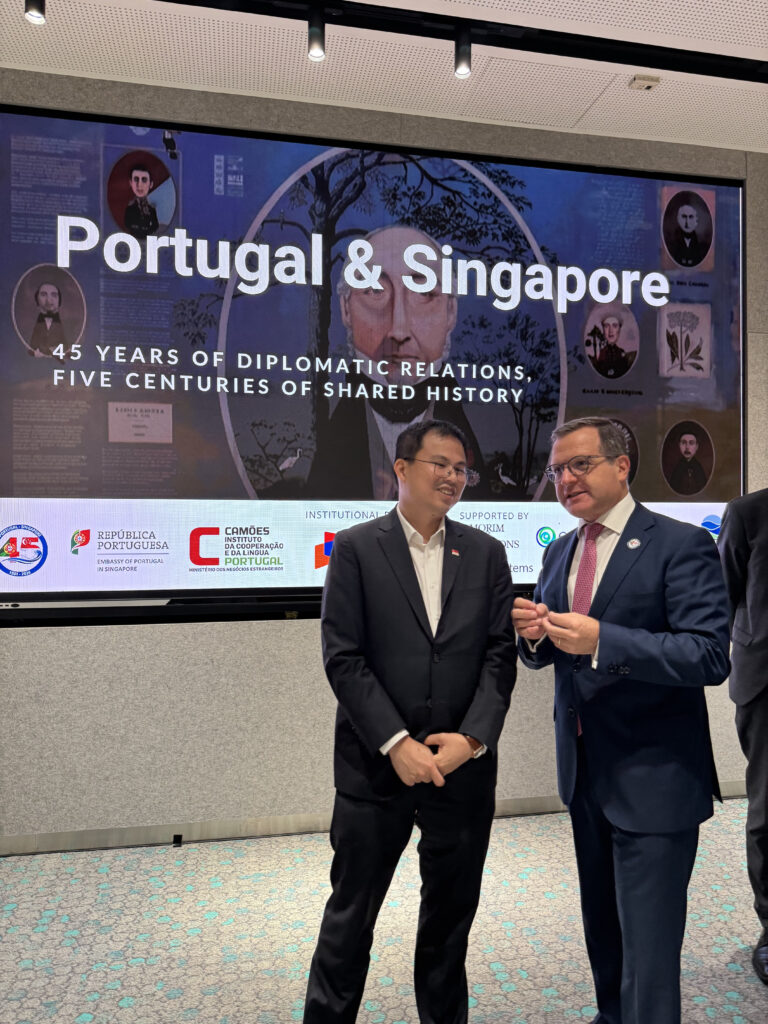
DNA once again had the privilege of interviewing HE Pires about the history and future of Portuguese-Singaporean bilateral relations. We asked the Ambassador several questions relating to his opening address at the photo exhibition.
Q: It was very interesting to hear that not only are the Portuguese coming to Singapore, but Singaporeans have also set up businesses in Portugal. What, then, is the appeal of living in Portugal for Singaporeans? What does Portugal offer enterprising Singaporeans who choose to move there?
Portugal offers something that many people value today: the opportunity to combine an exceptional quality of life with a dynamic and forward-looking business environment.
For Singaporeans, Portugal is an attractive place to live thanks to its safety, pleasant climate, rich cultural heritage, excellent healthcare and education systems, and welcoming communities. It is a country where people can enjoy a balanced lifestyle while remaining well-connected to the rest of Europe and beyond.
At the same time, Portugal has become an increasingly attractive destination for entrepreneurs and investors. With access to the European Single Market, a highly skilled and multilingual workforce, a vibrant innovation ecosystem, and a supportive business environment, Portugal provides an excellent platform for companies looking to expand internationally.
It is this unique combination that is attracting a growing number of Singaporeans. Whether they are launching businesses, investing in innovation, pursuing academic opportunities, or simply choosing to make Portugal their home, they find a country that is open, competitive and genuinely welcoming.
Q: You mentioned the challenges of navigating the aftermath of the Carnation Revolution in 1974, and that Portugal’s story was one of democratic consolidation and European integration. How have bilateral relations with Singapore helped this transition and the eventual accession into the EU?
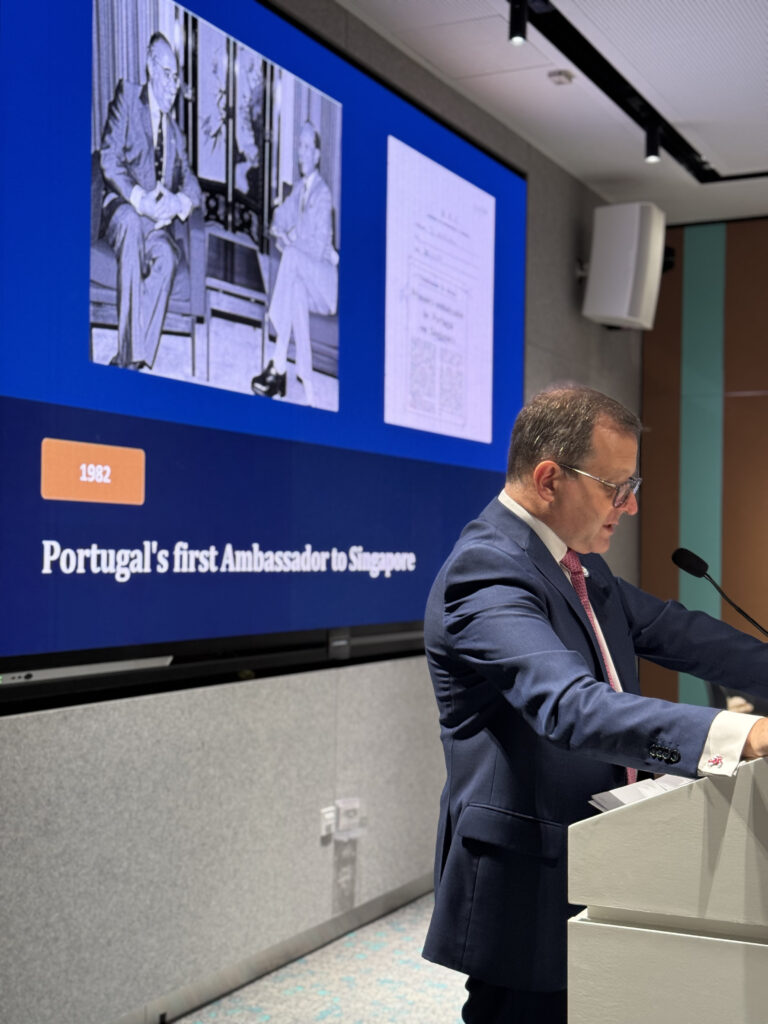
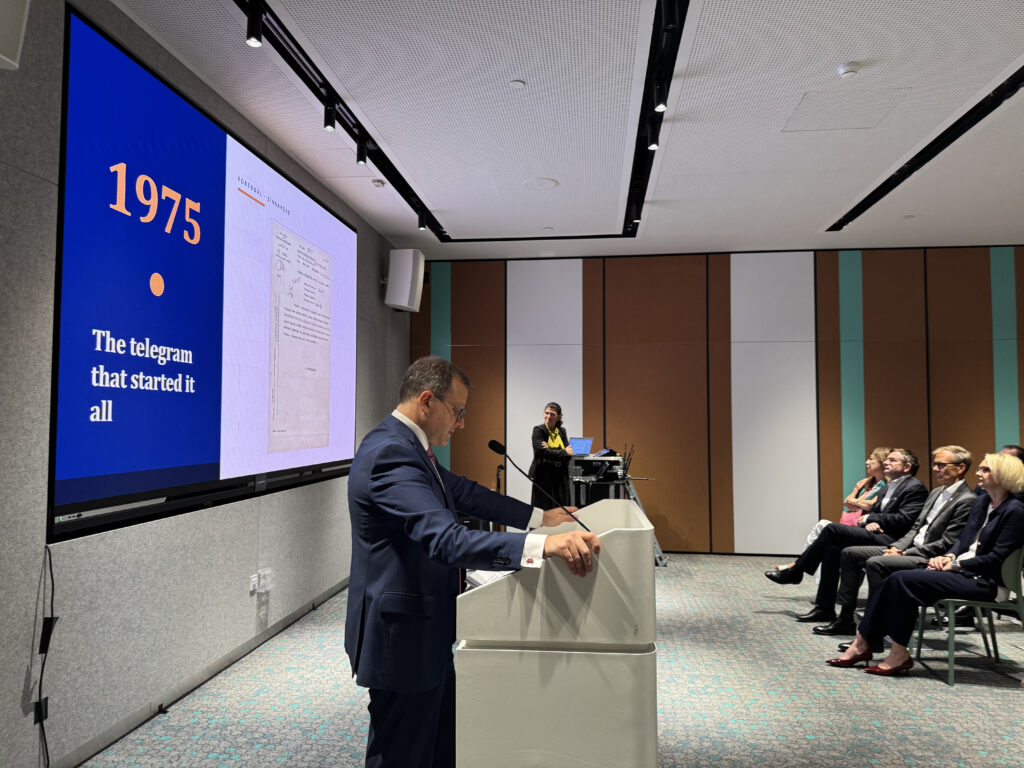
Portugal proposed the establishment of diplomatic relations with Singapore in November 1975, shortly after the Carnation Revolution. The agreement was formally concluded in 1981, and Portugal’s first ambassador accredited to Singapore presented his credentials in February 1982.
These developments took place at a defining moment in Portugal’s modern history. As our young democracy consolidated, our foremost strategic objective was accession to the then European Economic Community (EEC), which we achieved in 1986. At the same time, Portugal was broadening its international outlook by expanding its diplomatic relations beyond Europe, including in Asia.
In that context, establishing diplomatic relations with Singapore formed part of Portugal’s wider effort to engage with the world and diversify its international partnerships. It reflected the values of openness, dialogue and international cooperation that continue to guide Portuguese foreign policy today.
Q: Your presentation highlighted many facets of cooperation between Singapore and Portugal in fields such as academia, sports, the arts, and commerce. Is there an area of partnership that you feel has been underappreciated and that both countries could look to explore in the future?
The areas you mentioned have all seen significant progress over the years, and we are committed to building on that momentum by further strengthening our cooperation and bringing our two societies even closer together.
One area where I believe there is considerable untapped potential is education and people-to-people exchanges. We would like to see more Singaporean students and researchers choosing Portugal for exchange programmes and collaborative projects, just as a growing number of Portuguese students and researchers are coming to Singapore.
In this context, expanding opportunities to learn Portuguese is particularly important, as it opens doors not only to Portugal but also to the wider Lusophone world. We are therefore especially pleased that Instituto Camões signed an agreement with Nanyang Technological University last May to introduce Portuguese-language teaching at a Singaporean university for the first time, with classes beginning next January.
We hope this initiative will encourage even stronger academic, cultural and business links between Portugal and Singapore, while creating new opportunities for future generations in both countries.
Gallery