Each July, as summer unfolds across Mongolia’s vast steppes, the nation comes together to celebrate Naadam, its most treasured cultural festival.
Held annually from 11 to 13 July, Naadam is much more than a national holiday. It is a vibrant expression of Mongolia’s identity, bringing together centuries of history, culture, and nomadic tradition in a celebration that connects generations.
Inscribed by UNESCO in 2010 on the Representative List of the Intangible Cultural Heritage of Humanity, Naadam is recognised as one of the world’s most remarkable living cultural traditions.
A Celebration Rooted in History and Tradition
Naadam has its origins in Mongolia’s ancient nomadic civilisation. For centuries, the sports of wrestling, horse racing, and archery were essential skills for daily life on the vast grasslands. Over time, these skills evolved into ceremonial competitions that celebrated courage, resilience, and unity while strengthening bonds within communities.
Today, Naadam is held from 11 to 13 July, coinciding with the anniversary of the People’s Revolution of 1921, an important milestone in Mongolia’s modern history.
From the capital city of Ulaanbaatar to the smallest rural communities, families and friends gather to take part in a festival that honours customs carefully preserved and passed down through generations.
Naadam therefore represents both continuity and renewal. It is a tribute to Mongolia’s living heritage and to the traditions that continue to define the nation’s cultural identity.
The Three Traditional Games
At the heart of Naadam are the Three Traditional Games, each representing an enduring symbol of Mongolia’s history and national identity.
Wrestling is the festival’s most prestigious event. Matches have no time limit or weight categories, and victory is decided when one wrestler forces the other to touch the ground with any part of the body except the hands or feet. The simplicity of the rules makes every contest unpredictable and exciting.
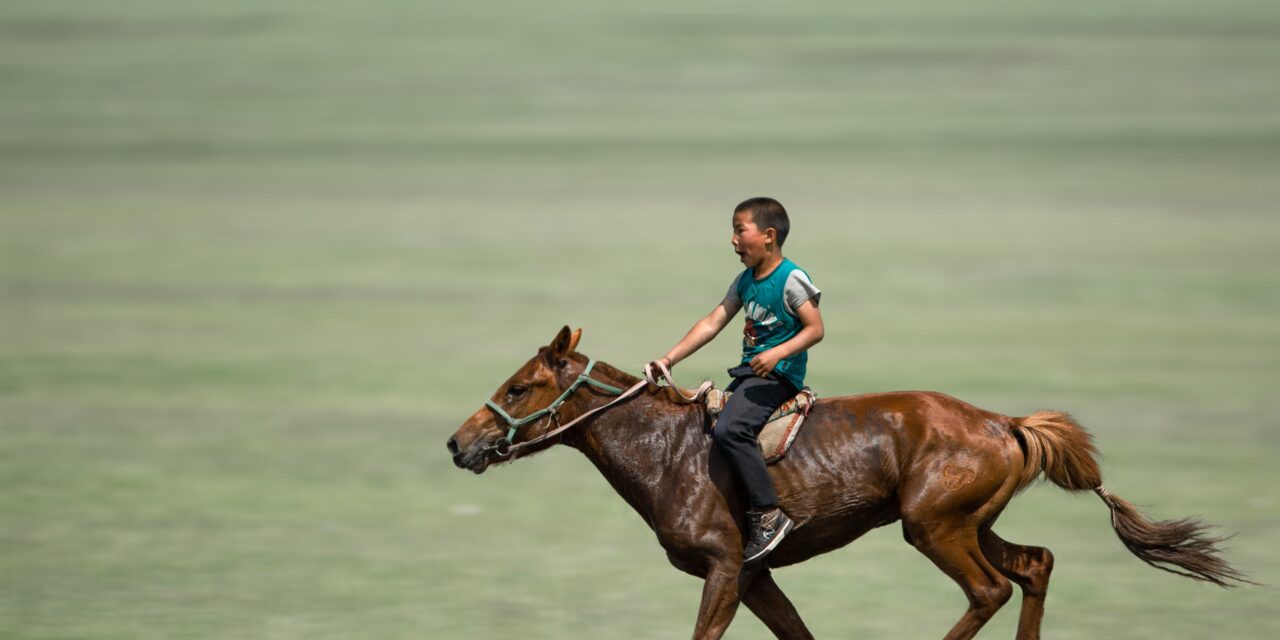
Horse racing looks very different from the races most people are familiar with. There is no conventional racetrack. Instead, horses race across Mongolia’s wide-open grasslands, with young riders guiding them over long distances. The event is as much a test of the horse’s endurance as it is a race to cross the finish line first.
Archery is open to both men and women. Instead of aiming at a circular target, archers shoot at rows of small leather targets placed on the ground, earning points for every successful hit. The highest score wins.
While deeply rooted in history, Naadam continues to evolve. Women now actively participate in both archery and horse racing, reflecting a celebration that respects tradition while embracing a more inclusive future.
A Festival of Living Heritage
Naadam is about much more than sporting competition. Throughout the three-day festival, visitors can experience Mongolia’s rich cultural traditions through Khöömei, a distinctive form of throat singing; Urtiin Duu, a traditional style of singing characterised by slow, extended melodies; and the Morin Khuur, the horse-head fiddle that has been part of Mongolian culture for centuries.
Traditional dances, handcrafted arts, local cuisine, and colourful national dress also form part of the celebrations, offering visitors a glimpse into the country’s enduring nomadic heritage.
Together, these traditions reflect values that have shaped Mongolian society for centuries, including respect for nature, strong community ties, cultural pride, and the enduring legacy of nomadic civilisation.
For visitors from around the world, Naadam offers a unique opportunity to experience Mongolia through the traditions of its people.
Naadam and Mongolia’s National Celebrations
Naadam is often associated with Mongolia’s national celebrations, but it is distinct from the country’s National Independence Day, observed each year on 29 December.
Independence Day commemorates Mongolia’s declaration of independence from the Manchu-led Qing Dynasty in 1911, marking the restoration of the country’s sovereignty.
Naadam, by contrast, is a celebration of Mongolia’s living culture. Although it is held in July alongside the anniversary of the People’s Revolution of 1921, the festival itself is far older than modern Mongolia. It celebrates the traditions, customs, and nomadic way of life that continue to shape the nation’s identity.
As this year’s festivities begin, we extend our warmest wishes to the people of Mongolia and to everyone celebrating around the world.
Saikhan naadaarai!
*Diplomatic Network (Asia) wishes the people of Mongolia a wonderful Naadam.