On 2 September 1945, Ho Chi Minh declared the independence of Vietnam.
Today, Vietnam is celebrating its hard-earned National Day. The nation has been shaped by not just conflict and reform in the Twentieth Century, but also a history of civilisation building.
Vietnam’s history stretches back thousands of years, from the early communities of the Red River Delta to its emergence as one of Southeast Asia’s fastest-growing economies. Along the way, the country has experienced dynastic rule, cultural exchange, colonialism, war, reunification and economic reform.
The Making of Modern Vietnam
Despite the 2 September 1945 declaration of independence, Vietnam would face a few decades of division and war. The nation was split into northern and southern states in 1954, a division that lasted until the end of the Vietnam War in 1975.
Reunification brought a new challenge: rebuilding a country after decades of conflict. Economic difficulties continued through the following decade, setting the stage for one of the most significant turning points in modern Vietnamese history.
In 1986, Vietnam introduced Đổi Mới, a programme of economic reforms that gradually moved the country away from a centrally planned economy.
The reforms encouraged private enterprise, expanded international trade and created greater opportunities for foreign investment.
Rather than changing Vietnam overnight, Đổi Mới began a long process of economic transformation that would reshape the country over the following decades.
The shift became increasingly visible during the 1990s. Vietnam strengthened its international economic ties, joining ASEAN in 1995 and normalising diplomatic relations with the United States that same year.
As barriers to international trade and investment were reduced, Vietnam became increasingly connected to the wider regional economy.
That integration accelerated in the 2000s. Vietnam joined the World Trade Organisation in 2007, further opening its economy to global markets.
Manufacturing and exports grew rapidly, particularly in industries such as textiles, footwear and electronics. Foreign companies increasingly established production operations in the country, helping Vietnam become an important link in Asian manufacturing networks.
Over time, the transformation moved beyond low-cost manufacturing. Electronics, technology and increasingly sophisticated production have become central to Vietnam’s economic growth. Major international companies have built large operations in the country, while Vietnam has benefited from companies diversifying their supply chains across Asia.
Samsung, for example, reported in August 2026 that its mobile phone operations in Bắc Ninh and Thái Nguyên had reached US$500 billion in cumulative exports, while its investment in Vietnam had reached US$24 billion.
Living in Vietnam Today
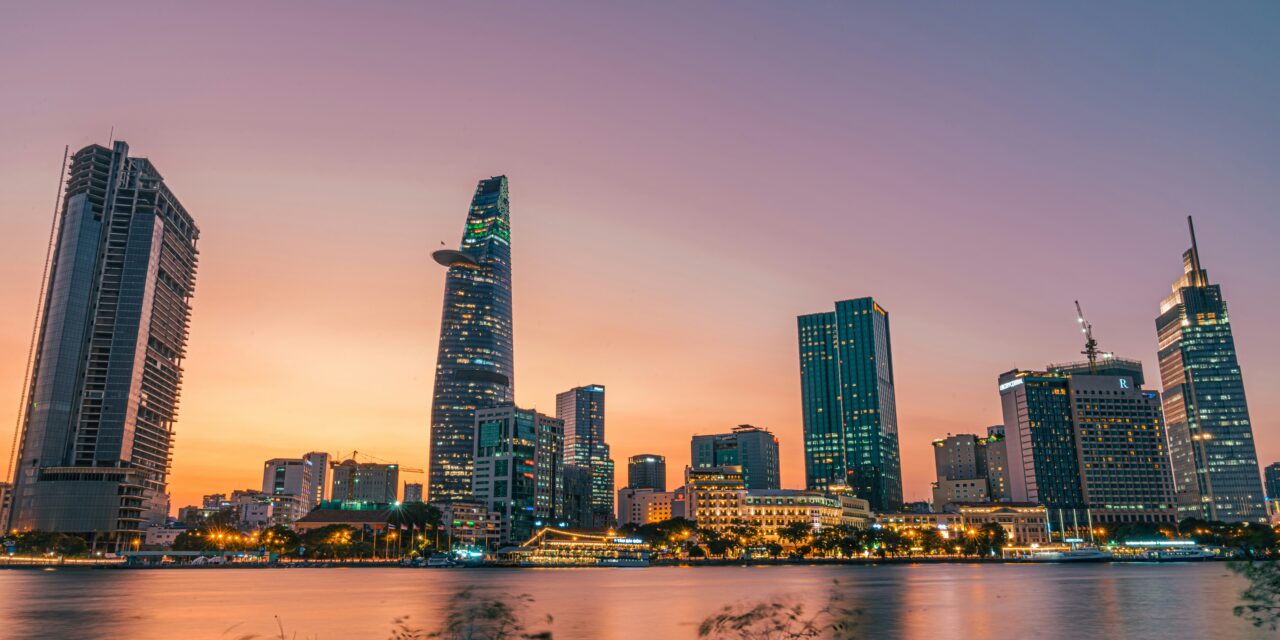
The effects of economic reform are also visible in everyday life. Rapid urbanisation has transformed cities such as Hanoi and Ho Chi Minh City, while rising incomes have contributed to the growth of a larger consumer and middle-class population.
New businesses, technology companies and a growing digital economy now exist alongside the agricultural communities that have long formed part of Vietnam’s identity.
Tourism has grown alongside this economic transformation. Vietnam’s historical sites, cuisine, landscapes and cultural traditions have made it an increasingly popular destination for international travellers.
In the first three months of 2026, the country welcomed 6.76 million international visitors, up 12 percent year-on-year.
Four decades after Đổi Mới, Vietnam therefore looks very different from the country that emerged from reunification in 1976.
Yet the changes of the past four decades have not erased Vietnam’s older identity.
Rice cultivation remains important. Traditional food and cultural practices continue to shape daily life. Additionally centuries of history remain visible in the country’s architecture and communities.
From the early societies of the Red River Delta to the economic transformation launched by Đổi Mới, Vietnam’s history is ultimately a story of adaptation.
The reforms of 1986 not only transformed Vietnam’s economy, it transformed Vietnma’s role as an increasingly influential and well-connected nation in Southeast Asia.
*Diplomatic Network (Asia) wish Vietnam and our Vietnamese friends a very Happy National Day 2026!