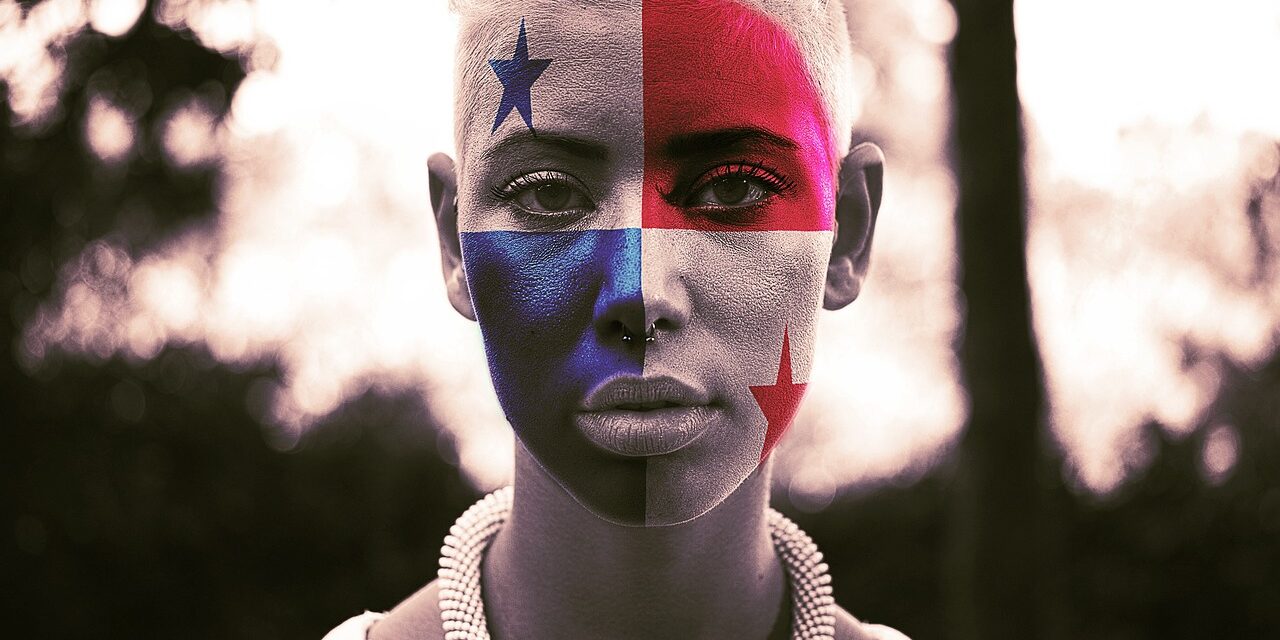
From the gateway between two oceans, the red tide of Panama is ready to show the world how far it has come as a footballing nation.
Panama will be making its second appearance at the global tournament, with its first match scheduled for Thursday, 18 June at 0700 hrs SGT against Ghana.
Panama’s Recent World Cup History
Panama’s only previous World Cup appearance was in 2018, when its debut was celebrated as a major achievement for the nation.
Unfortunately, Panama also found itself on the wrong side of the scorelines, losing all three of its group-stage matches.
This did not, however, temper the mood of Panamanian fans. During a heavy defeat against England, and with Panama trailing by six goals in the final minutes of the match, Panamanian defender Felipe Baloy scored the nation’s first-ever World Cup goal, with the added significance of coming against one of the tournament favourites.
Fans in Panama celebrated the goal in what became a well-documented moment of national pride. Even in defeat, Panama’s achievement that day helped cement its reputation for supporters who stand by their team through both triumph and adversity.
Eight years have passed, and Panama is looking to build on that experience. Even if it does not win the World Cup, Panama can expect a more competitive showing this year, owing to significant progress in its footballing development.
Under manager Thomas Christiansen, Panama were runners-up in the 2023 CONCACAF Gold Cup and the 2024–2025 Nations League, finishing ahead of this year’s host nations, the USA and Canada, in those competitions.
Additionally, Aníbal Godoy, a veteran of the 2018 World Cup, has emerged as a key figure in the Panamanian team. Godoy is both an aggressive playmaker and a defensive anchor, earning his place as the team’s reliable captain.
Ironically, Panama will face England again in this year’s group stage on Sunday, 28 June at 0500 hrs SGT.
With many English players from 2018 returning to this year’s World Cup, it will serve as a picture-perfect test to see how far the Panamanian National Team has come.
Three Questions with Panama’s Ambassador
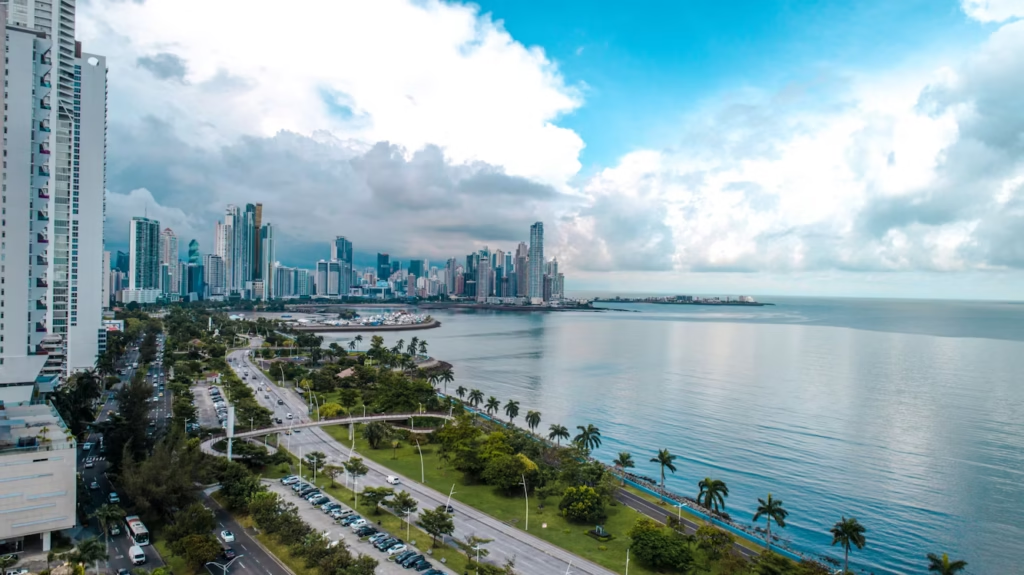
To learn more about Panama’s expectations and the evolution of its footballing identity, Diplomatic Network (Asia) reached out to Panama’s Ambassador to Singapore, His Excellency Sebastian Breton. His Excellency kindly provided detailed responses to our questions.
Q: Panama famously made its debut at the 2018 World Cup where, although the team did not advance past the group stage, both Panamanian citizens and the wider online community celebrated its appearance at the tournament. Compared with then, has the nature of that excitement evolved at home, and are Panamanians expecting a more competitive campaign this year?
The qualification for the 2018 World Cup was a turning point in Panama’s perception of football. It gave the federation, the players and the country the self-confidence needed to continue advancing and improving, eventually becoming a truly competitive regional contender. Our debut in 2018 provided cherished moments that will live forever in the memory of all Panamanians. Despite the results, we celebrated simply being there, and the world witnessed what that first World Cup goal meant to our people.
Since then, however, expectations have evolved. The experience of competing on football’s biggest stage helped raise the standards and ambitions of everyone involved with the national team. An important factor in that evolution has been the arrival of coach Thomas Christiansen, whose leadership brought a significant shift in the culture of the dressing room, the professionalism of the programme, and the overall direction of the team. Under his guidance, the players have embraced a more competitive mentality and a clearer footballing identity.
As a result, while qualifying for a World Cup remains a source of immense pride, Panamanians today are increasingly focused on performance and competitiveness. We continue to celebrate every milestone, but there is now a growing belief that Panama can consistently challenge strong opponents and achieve results on the international stage.
Q: With Panama’s CONCACAF neighbours Mexico, the USA and Canada hosting this year’s tournament, the epicentre of world football is in North America for the first time since 1994. Has this proximity led to heightened international visibility and diplomatic engagement for Panama leading up to the games?
Panama is a regional transport and logistics hub, and having the 2026 World Cup take place in our vicinity has certainly heightened our visibility on the international stage. The proximity of the tournament creates greater opportunities for Panamanian supporters, businesses, institutions and media outlets to engage with one of the most important sporting events in the world. It also allows the country to benefit from increased attention as football fans, journalists and stakeholders focus on North America and the CONCACAF region.
As one of the leading football nations in Central America, and one of only a select few countries from the region to reach the FIFA World Cup, Panama has continued to strengthen its profile through the growth of its national team and football programme. Events of this magnitude provide a unique platform to showcase not only sporting progress but also the country’s economic dynamism, connectivity and strategic importance within the region.
Beyond football, the national team and its supporters play an important diplomatic role. Every international tournament becomes an opportunity to share our culture, values and identity with audiences around the world. The passion of our fans, the diversity of our people and the welcoming nature of our society help create connections that extend beyond the pitch and contribute positively to Panama’s image abroad.
Q: The nickname for the Panamanian national team is Los Canaleros, or “the canal men”, in reference to the Panama Canal. Given that most international observers know Panama for this one iconic waterway, do you foresee a future where the football team acts not only as an international symbol of Panama, but also directs attention towards the many other characteristics of Panamanian culture that have not yet received the same level of recognition?
Absolutely. Despite being a relatively small country, Panama possesses a remarkable diversity of natural attractions, tourism destinations, cultural traditions, gastronomic influences and economic advantages. We are proud of the Panama Canal and its role as one of the great engineering achievements in history, but Panama’s identity extends far beyond that single symbol.
Our greatest asset is our people, a vibrant, friendly and optimistic society shaped by a rich blend of cultures, religions and national backgrounds. This diversity is reflected in our music, cuisine, traditions and way of life. Panama also benefits from extraordinary biodiversity, beautiful coastlines on two oceans, a thriving urban centre and a strategic position that has made it a meeting point for people and ideas from around the world.
The national team serves as one of the most visible expressions of that identity. Every time Los Canaleros compete internationally, they carry with them the aspirations, character and values of our nation. At the same time, La Marea Roja (The Red Tide), our passionate fan base, competes alongside them in its own way by bringing unmatched energy, colour and pride to every stadium. Together, the team and its supporters tell the story of who we are as a country.
We hope that our participation on football’s biggest stages will inspire people not only to learn more about our sporting achievements, but also to discover the many other qualities that make Panama unique. If football can help broaden the world’s understanding of our country and encourage more people to visit and experience it first-hand, then it will have achieved something meaningful both on and off the field.