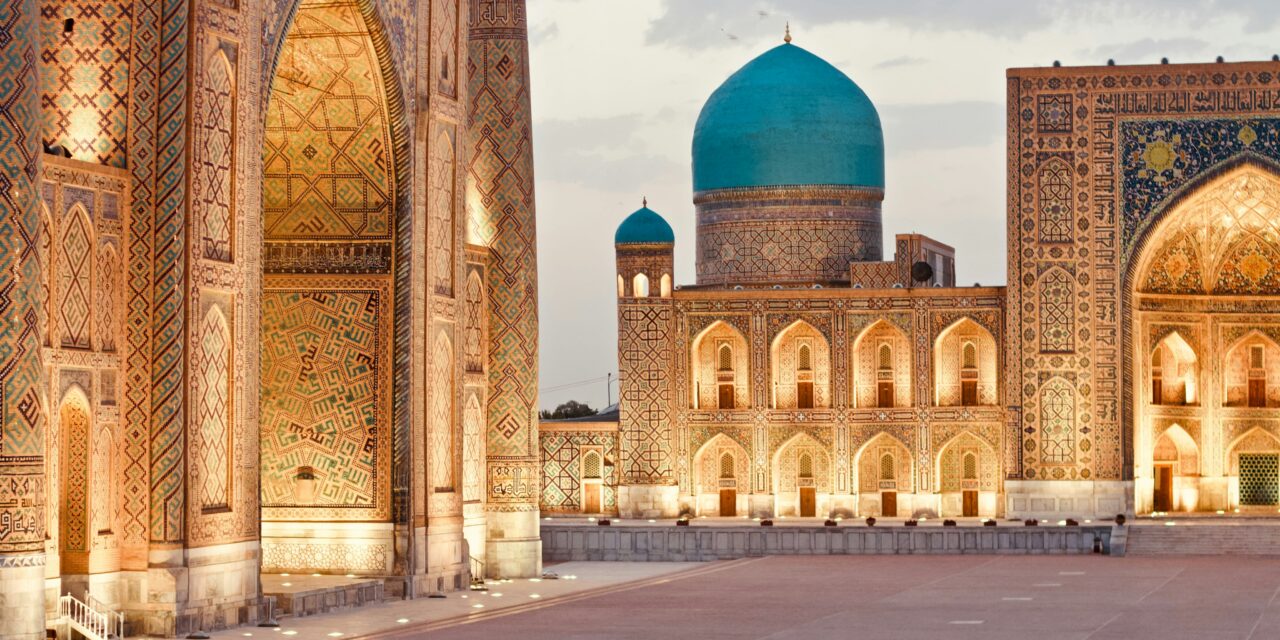
Uzbekistan is known for its ancient cities, Silk Road heritage and warm tradition of hospitality.
On 1 September, the country will celebrate the 35th anniversary of its independence, bringing together an important chapter of its modern history with traditions that remain part of everyday life.
Uzbekistan declared independence on 31 August 1991, during the final days of the Soviet Union. The next day, 1 September, was established as Independence Day.
Since then, Independence Day has become one of the most important dates on Uzbekistan’s national calendar. Celebrations are held across the country, from major cities to local communities, with public events and gatherings taking place throughout the regions.
This year’s celebration is particularly significant as Uzbekistan marks 35 years as an independent state. Events are being organised throughout the country under the theme “One Homeland, One People: Together We Create a New Life and Future!”
Mahalla Culture of Uzbek Communities
One of the best places to see that community spirit is the mahalla.
The mahalla is traditionally defined as a neighbourhood community, but the idea goes beyond a collection of houses on the same street. It is a social space where neighbours know one another, families stay connected and people come together when there is an important occasion or when someone needs support.
The tradition has deep roots in Uzbek society. The mahalla has helped maintain close relationships between neighbours and has also played a role in passing customs from older generations to younger ones. Weddings, family occasions and community gatherings can all bring people together through the mahalla.
The mahalla achieves particular relevance during Independence Day, as official ceremonies are held at the neighbourhood level. This means a national anniversary becomes something more personal when it is shared with the people who form part of everyday life.
Plov Dining
The same spirit can be found around the Uzbek table, particularly through plov.
Plov is one of the dishes most closely associated with Uzbek gatherings. Made with rice, meat, carrots and onions, it is commonly served during holidays and other important occasions.
For Uzbek families, preparing a meal for guests and making sure everyone has a place at the table are expressions of hospitality and generosity. A gathering around plov can bring different generations together and turn an important occasion into a shared experience.
The mahalla and the tradition of plov offer two simple ways of understanding how culture continues to live in Uzbekistan. Both have remained relevant as the country has changed over the past 35 years.
On September 1, the celebrations will take place on a national scale, but so will smaller meeting between neighbours in a mahalla, and a serving of plov will be shared around the table.
Thirty-five years after independence, those everyday traditions remain part of the story of Uzbekistan.
Diplomatic Network (Asia) extends its warmest congratulations to the people of Uzbekistan. Happy Independence Day!