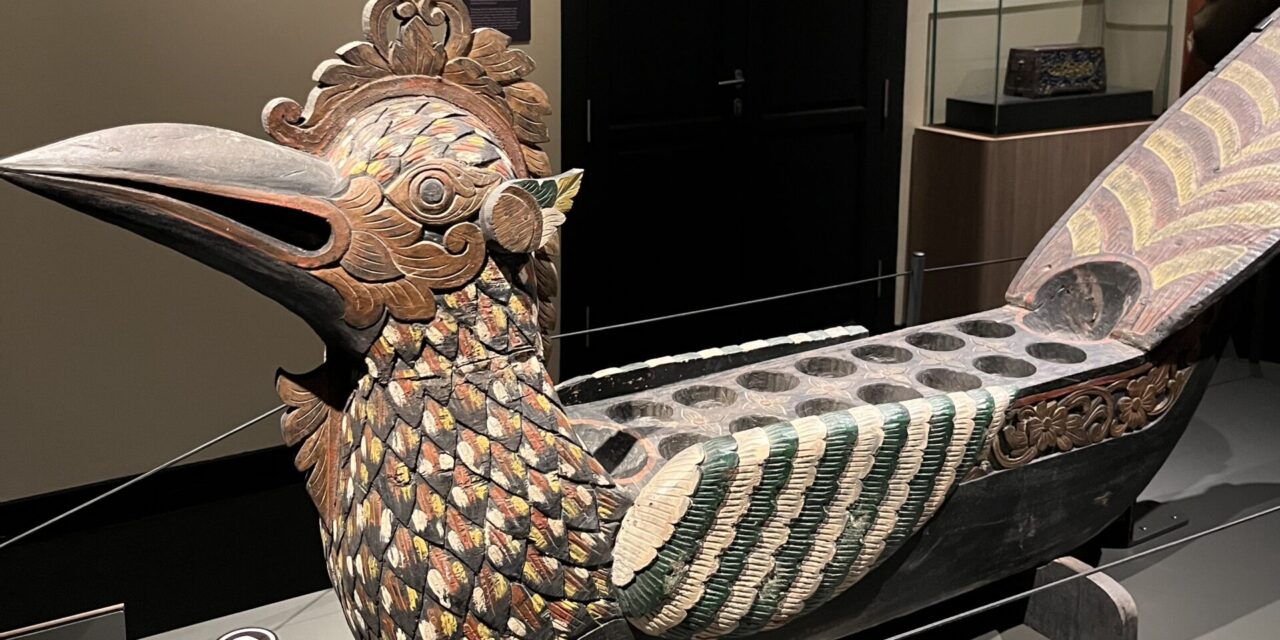
It has been a three-year wait, but the newly redeveloped Malay Heritage Centre has finally reopened to the public. A steady stream of visitors arrives hourly to explore the museum dedicated to preserving the historical and cultural heritage of the Malay community in Singapore.
For a limited time, admission will be free for all Singapore citizens and permanent residents until 28 June 2026.
History of the Malay Heritage Centre
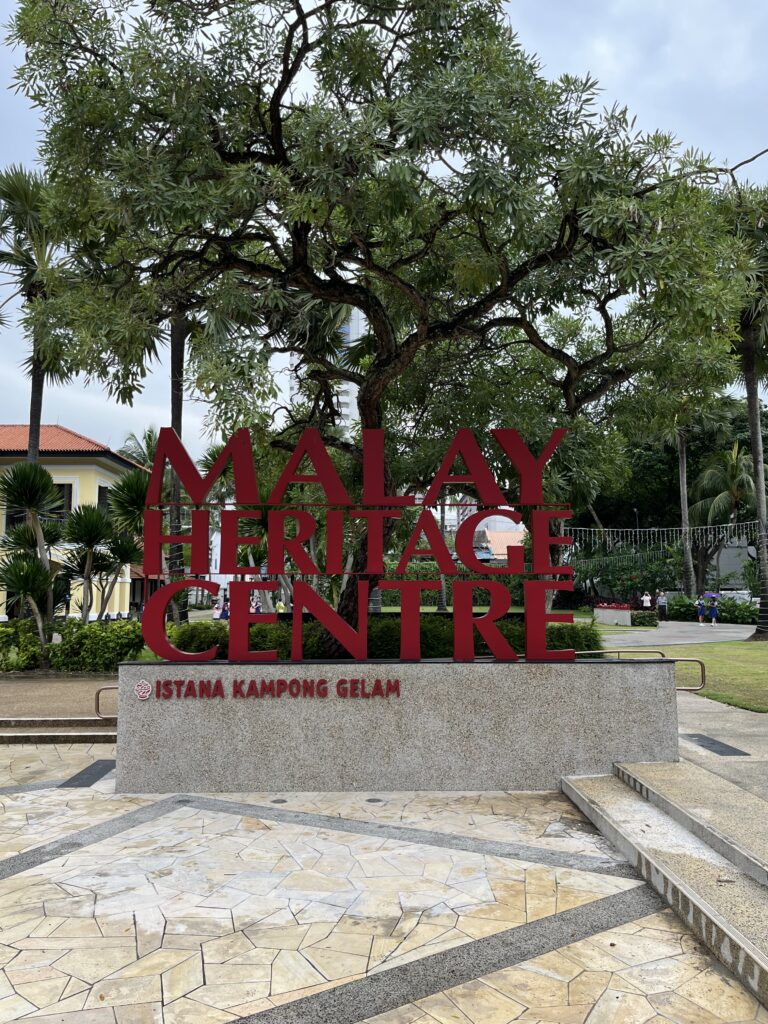
Located at 85 Sultan Gate, the Malay Heritage Centre occupies a building with a complex history closely tied to Singapore’s early colonial development.
The founding of modern Singapore is commonly dated to 1819, when Sultan Hussein Shah of Johor signed treaties with the British which allowed the British East India Company to establish a trading post on the island.
In return, land was set aside for Sultan Hussein Shah’s personal residence in what is now Kampong Glam, Singapore’s historic Malay quarter.
The Malay Heritage Centre was originally the palace of the sultan and his descendants. Decades of renovation and expansion have given the building a distinctive architectural character, blending European Palladian influences with traditional Malay elements in its windows, roofline, and decorative features.
Highlights from the Museum
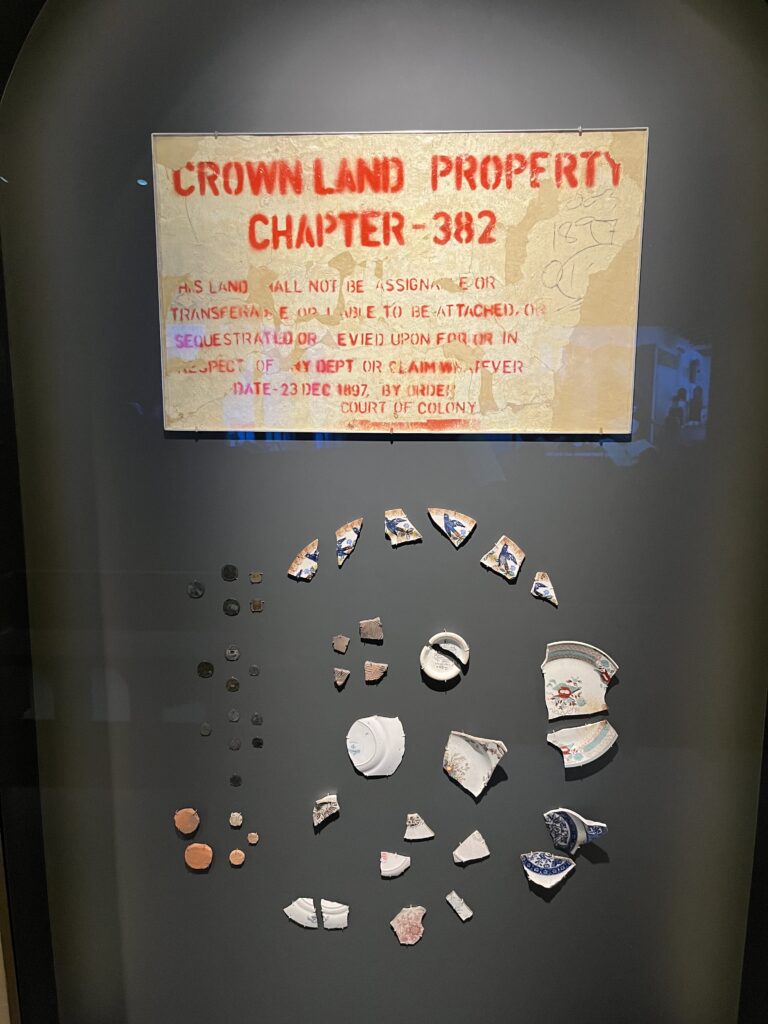
The three-year redevelopment included the installation of digital displays and the reconfiguration of exhibition spaces, providing visitors with a more accessible and multimedia-rich learning experience.
The exhibitions are rich in historical detail and artefacts. One visitor interviewed by the author expressed particular interest in the museum’s exploration of the complex and sometimes contradictory relationship between British colonial authorities and the Malay aristocracy.
History, however, is not confined to the past. The museum makes a concerted effort to highlight the diversity and continuing evolution of Malay culture.
Crucially, the term “Malay” encompasses a wide range of identities, including the Orang Laut, Javanese, Banjarese, Bugis, and many others from across the Malay Archipelago.
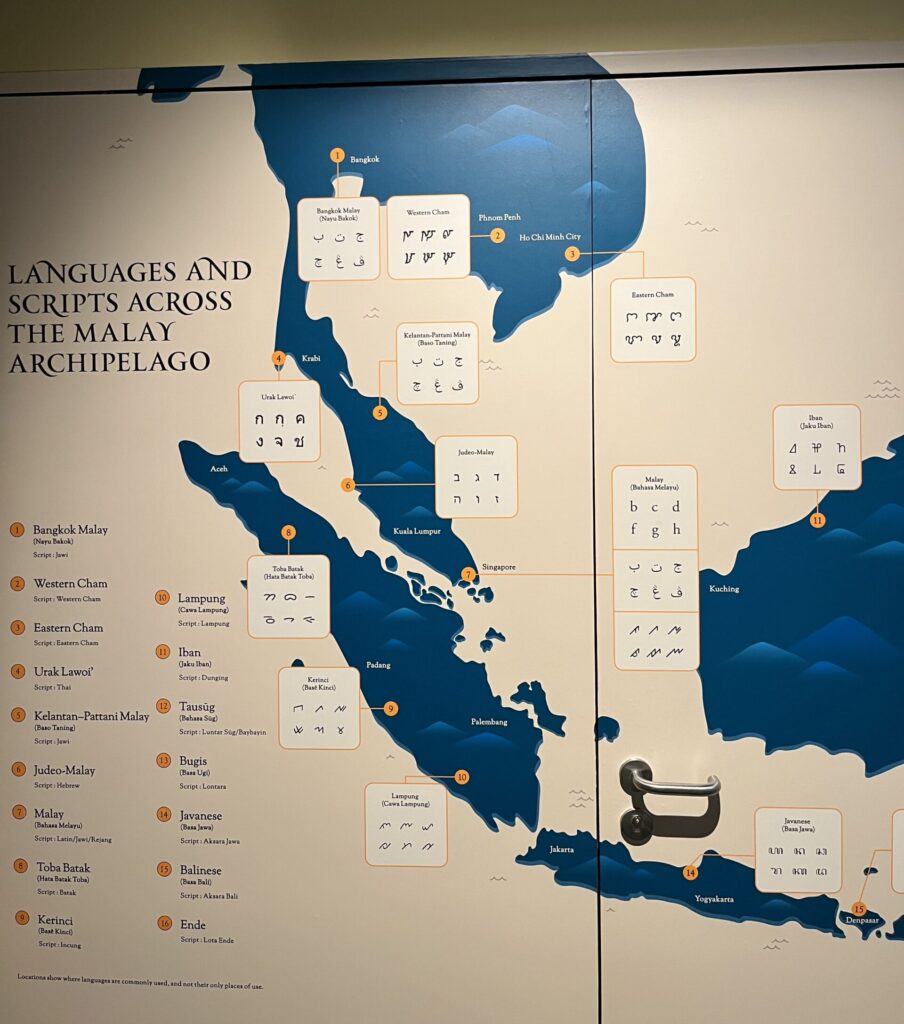
As one display demonstrates, the Malay Archipelago is home to a remarkable variety of writing systems, ranging from Cham scripts in mainland Southeast Asia to those used in the islands of eastern Indonesia.
One of the museum’s highlights is an elaborate wayang kulit (shadow puppet) display, where visitors can handle and interact with puppets depicting scenes from the Hindu epic Ramayana.
Another notable exhibit features original textiles intricately woven and embroidered by Halimah binte Abdullah. A master weaver, Halimah travelled to London to participate in the 1924 British Empire Exhibition, where her work represented the colonial ideal of Malay craftsmanship and culture.
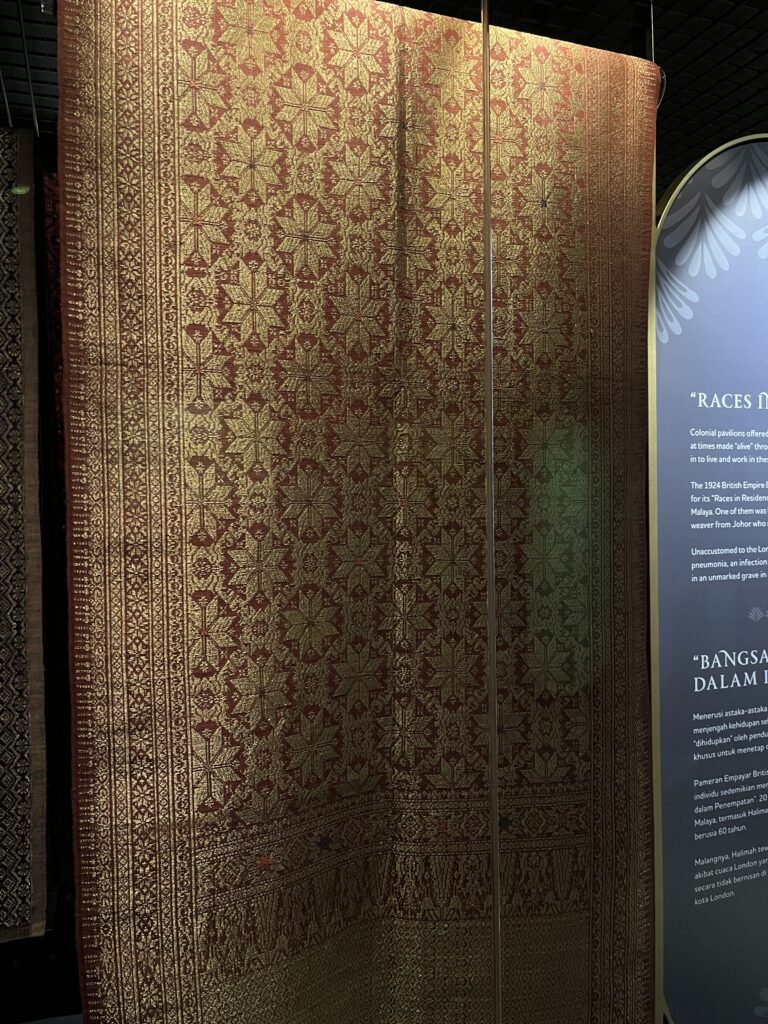
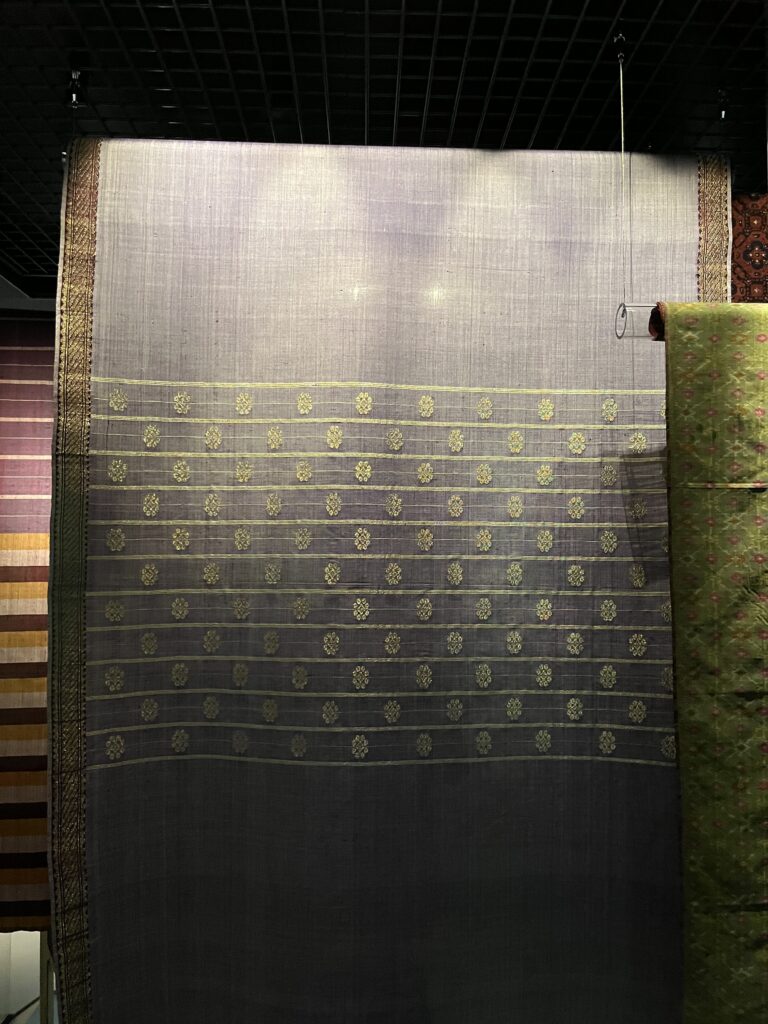
Halimah’s story was little-known until Singaporean academic and artist Erika Tan revived interest in her history in 2017. Art & Market recently wrote about Tan’s dedicated research here.
Malay Singaporeans Today
While documenting the history of the Malay people, the museum also emphasises the continued vitality of Malay culture through the contributions and passions of contemporary Malay Singaporeans.
One example is a video installation narrated by Malay theatre icon Almahdi Al-Haj Ibrahim, better known by his stage name, Nadiputra. In it, he reflects on the preservation of traditional theatre in Singapore, the challenges faced by practitioners, and the rewards of a life devoted to the arts.
As visitors reach the end of the museum route on the second floor, a final exhibition connects past and present through an informative hall of fame celebrating notable Malay Singaporeans.
The display features photographs of national pioneers, including Singapore’s first president, Yusof Ishak, as well as the nation’s most recent Malay head of state, Halimah Yacob.
Figures from the arts, including Nadiputra, alongside prominent individuals from sport, business, and other fields, are also recognised in this concluding gallery.
The Malay Heritage Centre has done an admirable job of preserving and presenting the rich historical heritage of Singapore’s Malay community.
It is a story that deserves to be experienced by all Singaporeans, regardless of background.